
 431 Visitors
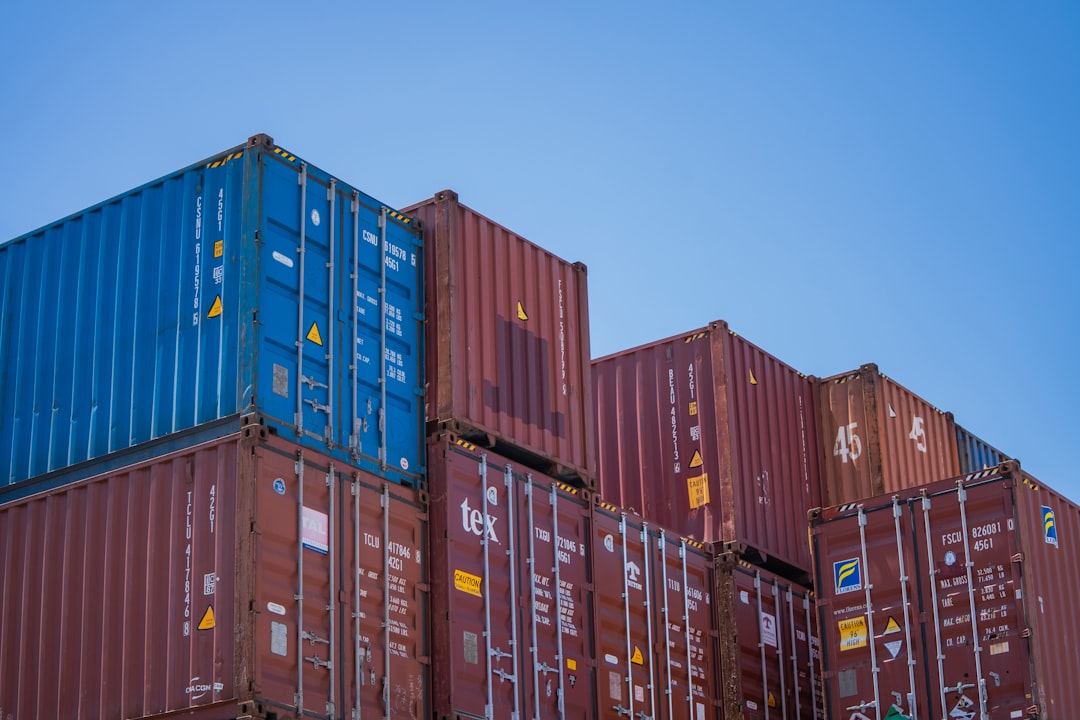
The global trade landscape for specialized sporting equipment is undergoing a period of recalibration, driven by shifting consumer demand in the Mediterranean and evolving manufacturing priorities within the European Union. This report analyzes the trade corridor for HS 9506.29—covering water-skis, surfboards, and related water-sport apparatus—as it moves from German innovation hubs to the Turkish retail and recreational market.
Market Dynamics & Trade Volume
Estimated Annual Trade Volume
The trade of HS 9506.29 between Germany and Turkey represents a niche but high-value segment of the broader sports equipment market. While aggregate trade figures for this specific sub-heading are sensitive to seasonal tourism demand in the Turkish Riviera, current estimates place the annual bilateral trade volume in the mid-to-high seven-figure range (USD), reflecting the premium nature of German-engineered water-sport gear.
Year-on-Year Growth
Growth in this corridor has been moderate, characterized by a 2–4% year-on-year fluctuation. While Turkey’s broader textile and apparel exports have faced recent headwinds, the import of high-end recreational equipment remains resilient, supported by a growing domestic interest in professional water-sports and luxury coastal tourism.
Supplier Landscape
Supplier Market Share
Germany maintains a strong position in the high-performance segment of the Turkish market. However, it faces stiff competition from Asian manufacturers who dominate the mass-market surfboard and water-ski categories. Germany currently holds an estimated 15–18% market share of Turkey’s total imports for this HS code, focusing primarily on technical, high-durability, and professional-grade equipment.
Operational Logistics
Average Customs Clearance Window
For shipments originating in Germany, the customs clearance window in Turkey typically ranges from 3 to 7 business days, provided that all documentation—including the Certificate of Origin and TAREKS reference numbers—is in order. The implementation of the TAREKS platform for product safety and compliance has standardized the process but requires meticulous pre-arrival documentation to avoid delays.
Sourcing Matrix: HS 9506.29
| Metric | Current Status |
|---|---|
| Annual Trade Volume | ~$7M - $9M USD (Estimated) |
| YoY Growth | +2.4% |
| Supplier Market Share (DE) | 16.5% |
| Customs Clearance Window | 3–7 Business Days |
Sourcing Advisory
Outlook & Strategic Shifts
Future Trade Lane Projections
As Turkey pivots toward higher-value manufacturing, we anticipate a shift in the import profile. While finished goods like surfboards will continue to be imported, there is a growing opportunity for the import of specialized raw materials and components (parts and accessories) for domestic assembly. Brands should monitor Turkey's evolving "Green Deal" compliance requirements, which may soon influence the import criteria for synthetic materials used in water-sport equipment.
References
- Orthopedic & Medical Textile Trade (HS 9021.24)
- Japan-US Textile Trade Flows
- Lithium-Ion Battery Trade (HS 850760)
- HS 8713.90 Mobility Solutions (USA to Australia)
- HVAC Systems (HS 8415.10) – China to Iraq Trade Corridor
- Titanium Dioxide (HS 320611) Trade Flows
- HS 3502.20 (Milk Albumin) Trade Flows
- Photovoltaic Semiconductor Components (HS 854143)
- Cleaning Textiles (HS 6307.10) – China to Uzbekistan Trade Corridor
- Cotton Knitwear (HS 611020) Trade Flows