
 373 Visitors
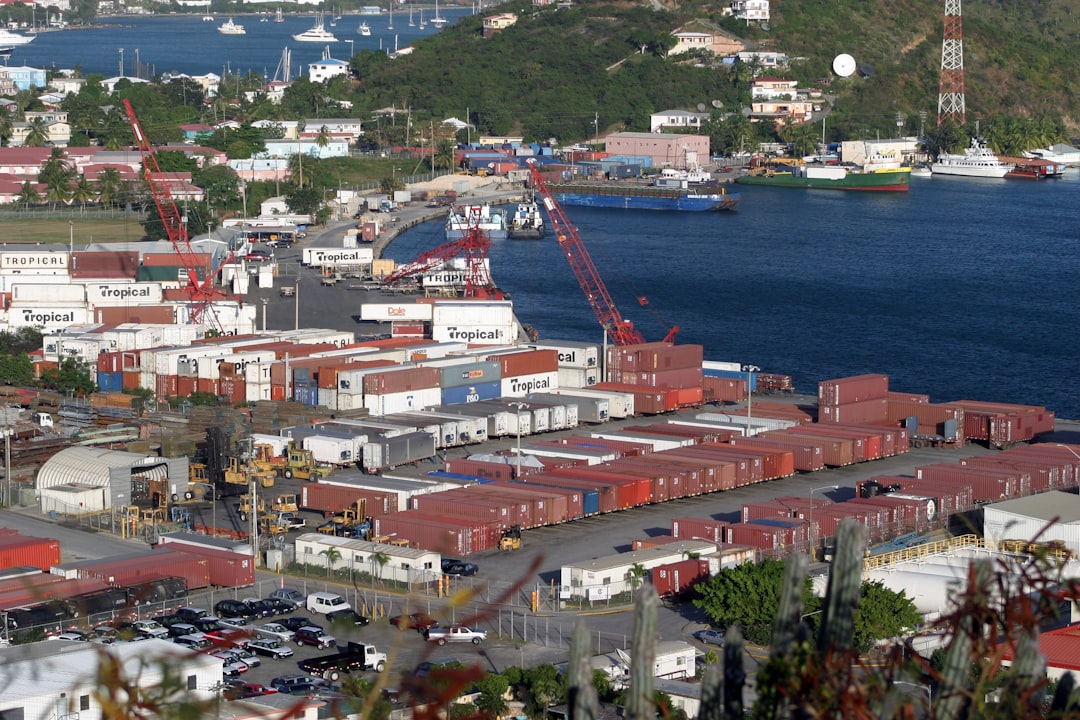
The global pigment market remains anchored by the high-performance utility of titanium dioxide (TiO₂). As a critical input for the paints, coatings, and plastics sectors, the trade corridor between China and Malaysia serves as a vital artery for Southeast Asian manufacturing. This report synthesizes current trade metrics, operational logistics, and market shifts for the 320611 classification.
Market Dynamics & Trade Volume
Annual Trade Volume & Growth Trends
China continues to dominate the global supply of titanium dioxide, maintaining a production capacity that accounts for over 55% of the world's total. For the Malaysia-China trade lane, demand remains robust, driven by Malaysia’s expanding construction and automotive coating sectors. Recent data indicates that Malaysia consistently ranks among the top destinations for Chinese TiO₂ exports, with annual trade volumes reflecting a steady integration into the regional supply chain.
Supplier Market Share
Chinese suppliers currently hold a significant market share in the Malaysian import landscape. While global competition persists, Chinese manufacturers maintain a competitive edge through price, quality consistency, and logistical proximity. Major Malaysian buyers, including large-scale paint and chemical manufacturers, rely heavily on this supply, with top-tier firms accounting for a substantial percentage of total import shipments.
Sourcing Matrix: China to Malaysia
| Metric | Performance Indicator |
|---|---|
| Estimated Annual Trade Volume | High-volume industrial flow (Multi-million USD) |
| Year-on-Year Growth | Variable; 3-5% avg. sector growth |
| Supplier Market Share (China) | Dominant (Primary source for Malaysia) |
| Avg. Customs Clearance Window | 1–3 working days (Green Channel) |
Operational Logistics
Customs Clearance Efficiency
Malaysia’s customs environment is increasingly digital, utilizing the National Single Window for declarations. For standard shipments of titanium dioxide, the average clearance window is 1 to 3 working days. Shipments assigned to the "Green Channel" often clear within 24 hours, whereas "Red Channel" physical inspections can extend the timeline by 1 to 2 additional days.
Compliance & Documentation
Importers must ensure strict alignment between the commercial invoice, packing list, and K1 import declaration. Discrepancies in HS code classification (320611) are a common cause of delays. Maintaining accurate, digital-ready documentation is the primary strategy for minimizing port dwell time.
Industry Outlook
Strategic Shifts in Manufacturing
The titanium dioxide industry is currently navigating a period of capacity surplus. While China remains the global production hub, manufacturers are increasingly focused on process efficiency—specifically the shift toward chloride-process production to meet higher quality standards. Buyers should anticipate price volatility linked to raw material costs, such as titanium concentrate and sulfuric acid.
Future Trade Lane Changes
As global economic conditions fluctuate, trade lanes are expected to remain sensitive to anti-dumping measures and regional tariff adjustments. However, the established partnership between Chinese producers and Malaysian industrial consumers remains resilient, supported by long-term procurement contracts and established logistics networks.
Conclusion
Summary of Findings
The sourcing of HS 320611 from China to Malaysia is a mature, high-volume trade relationship. Success in this corridor requires a dual focus: maintaining high-level compliance with Malaysian customs to ensure rapid clearance, and monitoring the evolving production capacities within China to leverage favorable pricing during market fluctuations.
References
- Orthopedic & Medical Textile Trade (HS 9021.24)
- Japan-US Textile Trade Flows
- Lithium-Ion Battery Trade (HS 850760)
- HS 8713.90 Mobility Solutions (USA to Australia)
- HVAC Systems (HS 8415.10) – China to Iraq Trade Corridor
- Titanium Dioxide (HS 320611) Trade Flows
- HS 3502.20 (Milk Albumin) Trade Flows
- Photovoltaic Semiconductor Components (HS 854143)
- Cleaning Textiles (HS 6307.10) – China to Uzbekistan Trade Corridor
- Cotton Knitwear (HS 611020) Trade Flows