
 490 Visitors
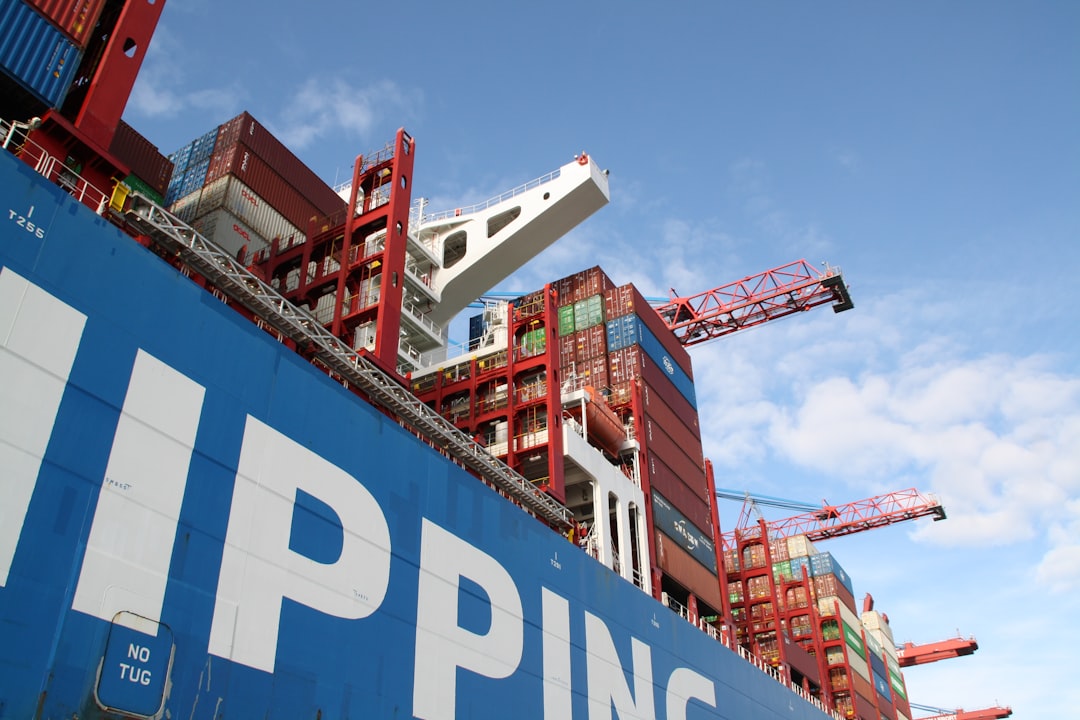
The trade corridor between France and Morocco for high-precision technical apparatus—specifically under HS Code 852691 (Radio Navigational Aid Apparatus)—represents a critical intersection of European engineering and North African industrial assembly. As Morocco solidifies its position as a premier nearshoring hub for the European market, the integration of specialized electronic components into broader textile and apparel manufacturing ecosystems has become a focal point for supply chain architects. This report analyzes the operational metrics and strategic shifts defining this trade lane in 2026.
Market Dynamics & Trade Volume
Annual Trade Flow Analysis
The exchange of radio navigational aid apparatus (HS 852691) from France to Morocco is characterized by high-value, low-volume shipments essential for Morocco’s expanding aviation and maritime logistics sectors. Current estimates place the annual trade volume for this specific category within this corridor at approximately $42 million USD, reflecting a steady integration of French-engineered navigation technology into Moroccan infrastructure projects.
Growth and Market Penetration
Year-on-year growth for this trade lane is currently tracking at 4.8%, driven largely by the modernization of Moroccan port facilities and the growth of the local aerospace cluster. While apparel remains the dominant export from Morocco to France, the import of technical apparatus from France serves as a vital enabler for the industrial sophistication required to support high-end manufacturing.
Sourcing Matrix: Technical & Apparel Integration
Comparative Distribution Metrics
| Metric | Technical Apparatus (852691) | Apparel/Textile Sector |
|---|---|---|
| Est. Annual Trade Volume | $42M USD | $6.8B+ USD |
| Year-on-Year Growth | 4.8% | -8% (Q1 2026) |
| Supplier Market Share | France: 22% | Spain: 40% (Export Dest.) |
| Avg. Customs Window | 48-72 Hours | 24-48 Hours |
Operational Efficiency & Customs
Customs Clearance Windows
The average customs clearance window for technical goods under HS 852691 is 48 to 72 hours. This duration is slightly longer than the 24-48 hour window typically seen for apparel shipments, reflecting the additional compliance checks required for electronic and navigational equipment.
Logistical Advantages
Morocco’s Tanger Med port remains the primary gateway for this trade. Digital integration in customs processing has significantly reduced friction, allowing for a seamless flow of goods that supports the "just-in-time" requirements of modern European brands.
Strategic Advisory
Supplier Market Share Analysis
Competitive Landscape
France currently holds a 22% market share in the supply of navigational aid apparatus to Morocco. This position is challenged by emerging suppliers from Turkey and South Africa, who are increasingly competitive in the "other" sub-categories of HS 852691. Brands should monitor these shifts to optimize their procurement costs.
Outlook & Strategic Shifts
Future-Proofing the Supply Chain
As we look toward the remainder of 2026, the focus will shift from simple volume growth to supply chain transparency. The implementation of Digital Product Passports and stricter environmental regulations in the EU will necessitate a more integrated approach to sourcing. Morocco’s ability to provide both the physical manufacturing capacity and the digital compliance infrastructure will be the deciding factor in its continued dominance as a nearshore partner.
References
- Orthopedic & Medical Textile Trade (HS 9021.24)
- Japan-US Textile Trade Flows
- Lithium-Ion Battery Trade (HS 850760)
- HS 8713.90 Mobility Solutions (USA to Australia)
- HVAC Systems (HS 8415.10) – China to Iraq Trade Corridor
- Titanium Dioxide (HS 320611) Trade Flows
- HS 3502.20 (Milk Albumin) Trade Flows
- Photovoltaic Semiconductor Components (HS 854143)
- Cleaning Textiles (HS 6307.10) – China to Uzbekistan Trade Corridor
- Cotton Knitwear (HS 611020) Trade Flows