
 521 Visitors
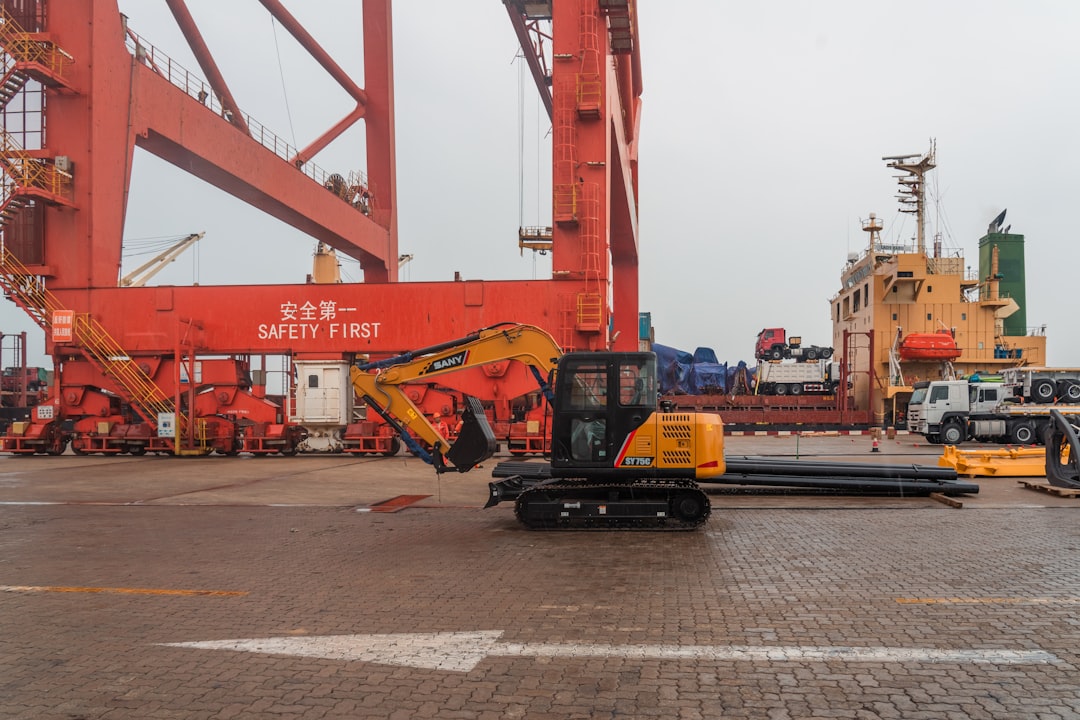
The trade corridor between China and India for metal office furniture (HS 940310) remains a critical nexus for regional commercial infrastructure development. As India accelerates its transition toward organized office environments and hybrid workspaces, the reliance on high-capacity, cost-efficient manufacturing from Chinese hubs—specifically the Foshan and Guangdong clusters—continues to define the procurement landscape. This report synthesizes current trade metrics, regulatory shifts, and operational realities for B2B stakeholders navigating this high-velocity supply chain.
Market Dynamics & Trade Volume
Macro-Level Trade Performance
The import of furniture and related fixtures from China into India reached approximately USD 853.61 million in the most recent annual reporting cycle. Within the specific category of metal office furniture (HS 940310), the trade volume remains a significant subset of the broader "Other Furniture" (HS 9403) group, which accounts for roughly 7% of total furniture imports to India.
Sourcing Matrix: Key Operational Metrics
Comparative Sourcing Data Table
| Metric | Performance Indicator |
|---|---|
| Estimated Annual Trade Volume | ~$30M - $35M (Direct HS 940310) |
| Year-on-Year Growth | ~7.6% (Market-wide Furniture) |
| Supplier Market Share | China (Dominant, >60% of imports) |
| Avg. Customs Clearance Window | 18–22 Days (Sea Freight Transit + Clearance) |
Regulatory & Compliance Landscape
Navigating BIS and Quality Control
Compliance is the primary friction point for importers in 2026. The Bureau of Indian Standards (BIS) has implemented stringent Quality Control Orders (QCO) for various furniture categories. Importers must ensure that metal office furniture meets these certification requirements before the goods reach Indian ports to avoid rejection or mandatory re-export.
Strategic Advisory Memo
Supply Chain Resilience
Diversification vs. Efficiency
While Chinese manufacturing remains the most cost-effective for mass-run office furniture, Indian importers are increasingly exploring domestic MSME clusters to mitigate the risks associated with potential anti-dumping duties and fluctuating steel import tariffs. The current trend favors a hybrid model: sourcing high-volume, standardized components from China while utilizing local Indian manufacturing for final assembly and bespoke customization.
Outlook & Strategic Shifts
Future Trade Lane Projections
The outlook for 2026-2027 suggests a tightening of import regulations as India continues to monitor steel-based imports from China. Stakeholders should prepare for potential increases in non-tariff barriers, such as more rigorous BIS inspection protocols. Agility in supply chain management—specifically the ability to pivot between regional suppliers—will be the defining competitive advantage for furniture retailers and project developers in the coming fiscal year.
References
- Orthopedic & Medical Textile Trade (HS 9021.24)
- Japan-US Textile Trade Flows
- Lithium-Ion Battery Trade (HS 850760)
- HS 8713.90 Mobility Solutions (USA to Australia)
- HVAC Systems (HS 8415.10) – China to Iraq Trade Corridor
- Titanium Dioxide (HS 320611) Trade Flows
- HS 3502.20 (Milk Albumin) Trade Flows
- Photovoltaic Semiconductor Components (HS 854143)
- Cleaning Textiles (HS 6307.10) – China to Uzbekistan Trade Corridor
- Cotton Knitwear (HS 611020) Trade Flows