
 476 Visitors
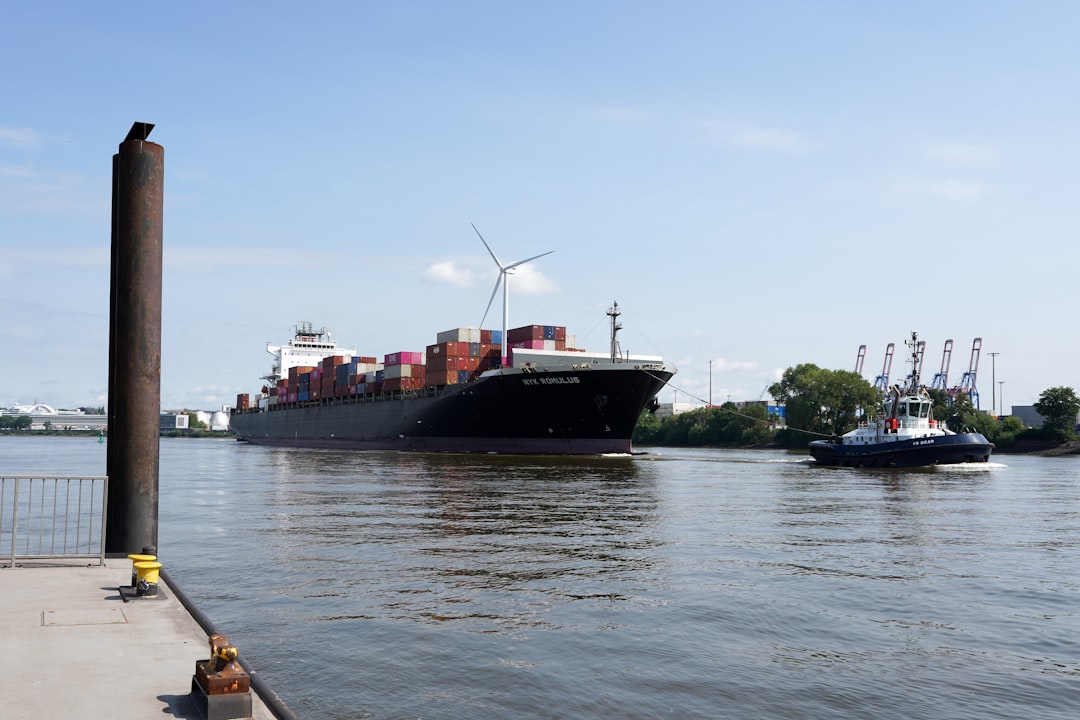
The trade corridor for air conditioning units (HS 841510) between China and the Netherlands has evolved into a critical nexus for European climate control infrastructure. As extreme weather patterns drive replacement demand and energy-efficiency mandates reshape the European market, Chinese manufacturers have solidified their position as the primary suppliers of self-contained and split-system cooling solutions. This report analyzes the current trade dynamics, operational bottlenecks, and the shifting regulatory landscape governing this high-volume commodity.
Market Dynamics & Trade Volume
Annual Trade Performance
Global trade in air conditioning machinery remains highly concentrated, with China maintaining a dominant export share of approximately 39.3% of the total global market. The Netherlands, acting as a primary European logistics gateway, facilitates significant import volumes, with annual trade values for this category reflecting the broader European trend of increasing cooling adoption.
Year-on-Year Growth Trends
Driven by recurring heatwaves and a shift toward smart, energy-efficient HVAC systems, Chinese exports to the European Union have seen robust growth. Recent data indicates a year-on-year export volume increase of approximately 20% in the cooling appliance sector, as manufacturers pivot toward meeting stringent EU energy-efficiency standards and IoT integration requirements.
Sourcing Matrix: China to Netherlands
| Metric | Performance Data |
|---|---|
| Estimated Annual Trade Volume (Global) | ~$68.7 Billion USD |
| Year-on-Year Growth | ~4.6% - 20% (Sector Specific) |
| Supplier Market Share (China) | ~39.3% |
| Avg. Customs Clearance Window | 3-7 Days (Standard/Express) |
Operational Logistics
Customs Clearance Efficiency
The customs clearance window for goods entering the Netherlands from China typically ranges from 3 to 7 business days, depending on the shipping mode and documentation accuracy. Importers are advised to maintain rigorous compliance with EORI registration and ensure all technical documentation for HVAC units—specifically regarding energy ratings and refrigerant compliance—is pre-cleared to avoid "customs limbo."
Strategic Advisory
Regulatory & Compliance Shifts
Evolving Standards
The 2026 regulatory environment in the Netherlands is characterized by increased scrutiny of low-value imports and the implementation of new European handling fees. Compliance with the latest Combined Nomenclature (CN) updates is mandatory to ensure seamless entry, particularly as the EU continues to refine its stance on energy-efficient and IoT-enabled appliances.
Outlook & Strategic Shifts
Future Market Positioning
As the market shifts from initial adoption to replacement-driven demand, Chinese manufacturers are expected to deepen their European footprint by localizing assembly or enhancing service-level agreements. We anticipate a continued consolidation of the supply chain, where only manufacturers capable of meeting high-tech, eco-friendly, and regulatory-compliant standards will maintain their market share in the Netherlands.
References
- Orthopedic & Medical Textile Trade (HS 9021.24)
- Japan-US Textile Trade Flows
- Lithium-Ion Battery Trade (HS 850760)
- HS 8713.90 Mobility Solutions (USA to Australia)
- HVAC Systems (HS 8415.10) – China to Iraq Trade Corridor
- Titanium Dioxide (HS 320611) Trade Flows
- HS 3502.20 (Milk Albumin) Trade Flows
- Photovoltaic Semiconductor Components (HS 854143)
- Cleaning Textiles (HS 6307.10) – China to Uzbekistan Trade Corridor
- Cotton Knitwear (HS 611020) Trade Flows