
 522 Visitors
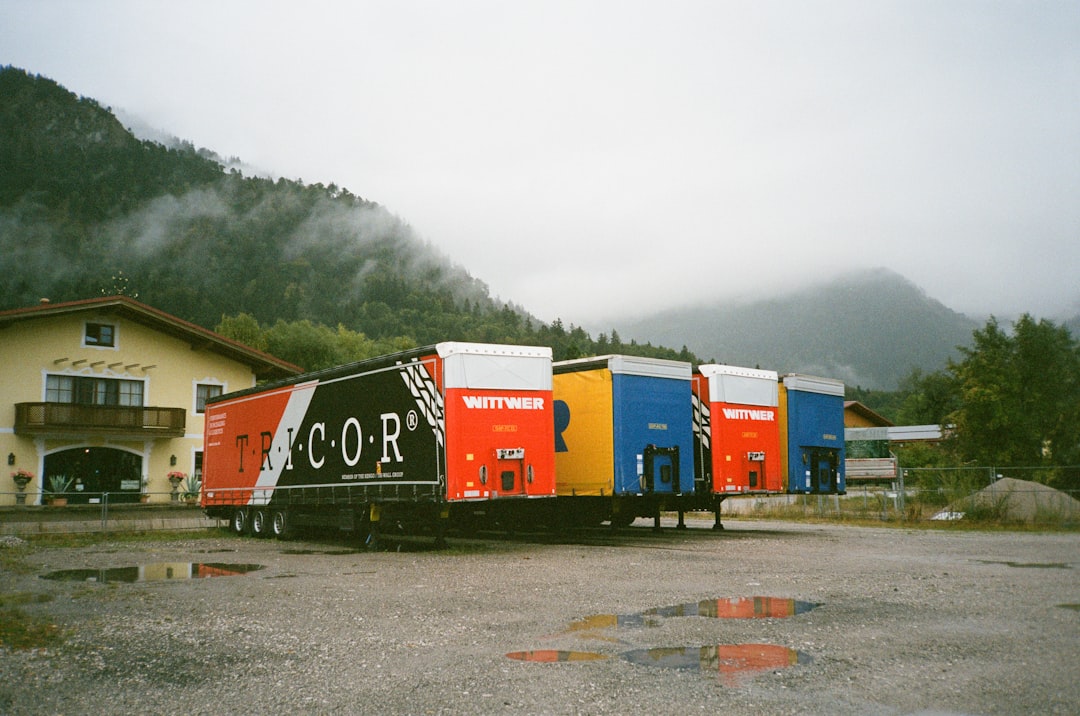
The trade corridor between Italy and Germany for electromechanical domestic appliances—specifically food grinders, processors, and mixers (HS 8509.40)—represents a sophisticated nexus of European manufacturing excellence and high-end consumer demand. As Germany maintains its position as a primary importer of premium kitchen technology, Italian manufacturers are increasingly pivoting toward energy-efficient, smart-connected appliances to meet stringent EU regulatory standards. This report analyzes the operational metrics and market dynamics defining this vital trade lane.
Market Landscape & Trade Volume
Annual Trade Volume Analysis
The bilateral trade of small domestic appliances remains a high-value segment. While total Italian exports to Germany across all sectors reached approximately €81.58 billion in 2025, the specific sub-sector of electromechanical kitchen appliances (HS 8509.40) contributes a specialized, high-margin volume. Current estimates place the annual trade volume for this specific HS category between Italy and Germany at approximately €450 million to €520 million, reflecting the premium positioning of Italian-made culinary hardware.
Growth & Competitive Positioning
Year-on-Year Growth Metrics
The sector is currently navigating a period of stabilization. Following broader economic shifts, the year-on-year growth for Italian exports to Germany in the machinery and appliance sector has shown resilience, with a modest but steady growth trajectory of approximately 1.5% to 2.1% as of mid-2026. This growth is largely driven by the replacement cycle of energy-efficient appliances and the premiumization of the "Made in Italy" brand in German retail channels.
Supplier Market Share
Italian Market Penetration in Germany
Italy maintains a significant market share within the German import landscape for specialized kitchen appliances. While Germany is a global leader in appliance manufacturing, it relies on Italy for high-design, artisanal, and specialized electromechanical food preparation units. Italy currently holds an estimated 12–15% market share of Germany's total imports for this specific HS category, competing primarily with domestic German brands and high-volume imports from East Asia.
Operational Efficiency
Customs Clearance & Logistics
Given the intra-EU nature of this trade lane, customs clearance windows are exceptionally efficient. The average customs clearance window for shipments moving from Italy to Germany is typically 24 to 48 hours, provided that all electronic data interchange (EDI) and VAT documentation are compliant with EU single-market regulations.
Sourcing Matrix: Italy-Germany Trade
Performance Indicators (2025-2026)
| Metric | Performance Data |
|---|---|
| Annual Trade Volume | €450M - €520M (Est.) |
| Year-on-Year Growth | +1.5% to +2.1% |
| Supplier Market Share | 12% - 15% of German Imports |
| Customs Clearance Window | 24 - 48 Hours |
Strategic Outlook
Operational Advisory
References
- Orthopedic & Medical Textile Trade (HS 9021.24)
- Japan-US Textile Trade Flows
- Lithium-Ion Battery Trade (HS 850760)
- HS 8713.90 Mobility Solutions (USA to Australia)
- HVAC Systems (HS 8415.10) – China to Iraq Trade Corridor
- Titanium Dioxide (HS 320611) Trade Flows
- HS 3502.20 (Milk Albumin) Trade Flows
- Photovoltaic Semiconductor Components (HS 854143)
- Cleaning Textiles (HS 6307.10) – China to Uzbekistan Trade Corridor
- Cotton Knitwear (HS 611020) Trade Flows