
 425 Visitors
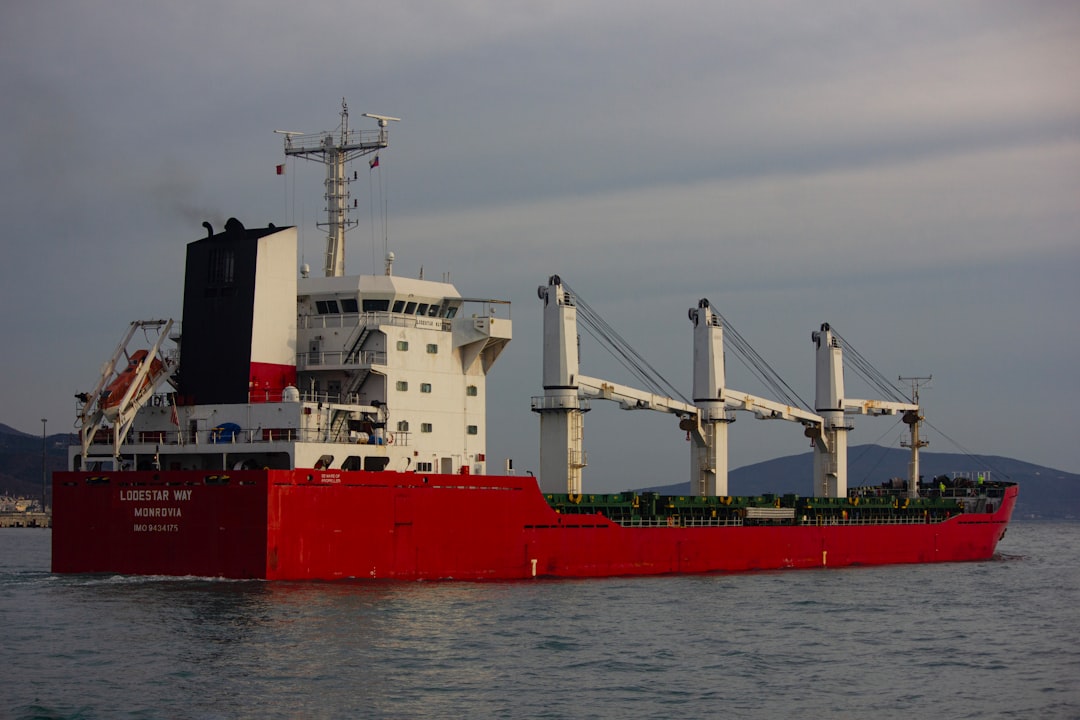
The global apparel supply chain is currently navigating a period of intense recalibration. As brands seek to diversify beyond traditional manufacturing hubs, Thailand has emerged as a sophisticated, high-value node for specialized knitwear production. This report analyzes the trade dynamics of HS 611011 (sweaters, pullovers, cardigans, and similar articles, knitted or crocheted, of wool or fine animal hair) within the context of the U.S.-Thailand bilateral trade corridor, highlighting the operational shifts required for 2026 sourcing strategies.
Market Overview & Trade Volume
Macro-Economic Context
Thailand’s textile sector is increasingly pivoting toward premium, value-added segments, moving away from mass-volume commodity production. For HS 611011, the U.S. remains a primary destination, with Thai manufacturers leveraging their expertise in high-quality natural fibers to maintain a competitive edge in the U.S. retail market.
Annual Trade Metrics
| Metric | Estimated Value / Status |
|---|---|
| Annual Trade Volume (HS 611011) | ~$1.4B (Total Textile/Apparel Export to U.S.) |
| Year-on-Year Growth | +6.5% to 7.0% (Projected 2026) |
| Supplier Market Share | ~1.8% of U.S. Textile Import Value |
| Avg. Customs Clearance Window | 3–7 Business Days (Standard) |
Manufacturing & Supply Chain Agility
Production Clusters
Manufacturing is heavily concentrated in the Bangkok metropolitan area and central provinces. These hubs provide the necessary infrastructure for complex garment finishing, which is essential for the high-end wool knitwear category.
Operational Flexibility
Thai factories are increasingly adopting "China+1" strategies, offering smaller minimum order quantities (MOQs) and faster development cycles compared to larger regional competitors, making them ideal for capsule collections and premium retail lines.
Logistics & Customs Compliance
Customs Efficiency
The average customs clearance window for U.S.-bound apparel from Thailand is currently 3 to 7 business days, provided that documentation—including the bill of lading, commercial invoice, and packing list—is submitted via the e-Customs system without discrepancies.
Regulatory Hurdles
Importers must be vigilant regarding the elimination of the $800 de minimis exemption for many shipments. Accurate HTS classification is critical to avoid penalties and ensure the correct application of duty rates, which can fluctuate based on current trade remedy enforcement.
Strategic Sourcing Advisory
Future Outlook & Strategic Shifts
Industry Evolution
The Thai textile industry is projected to grow at a steady CAGR as it integrates more deeply into regional supply chains. The focus is shifting toward sustainability, traceability, and the production of technical textiles, which will likely influence the future export profile of HS 611011.
Geopolitical Positioning
As Thailand positions itself as a central gateway for Asian manufacturing, the upcoming Global Sourcing Summit 2026 is expected to further solidify its role as a preferred partner for North American brands seeking resilience and high-quality craftsmanship.
References
- Orthopedic & Medical Textile Trade (HS 9021.24)
- Japan-US Textile Trade Flows
- Lithium-Ion Battery Trade (HS 850760)
- HS 8713.90 Mobility Solutions (USA to Australia)
- HVAC Systems (HS 8415.10) – China to Iraq Trade Corridor
- Titanium Dioxide (HS 320611) Trade Flows
- HS 3502.20 (Milk Albumin) Trade Flows
- Photovoltaic Semiconductor Components (HS 854143)
- Cleaning Textiles (HS 6307.10) – China to Uzbekistan Trade Corridor
- Cotton Knitwear (HS 611020) Trade Flows