
 530 Visitors
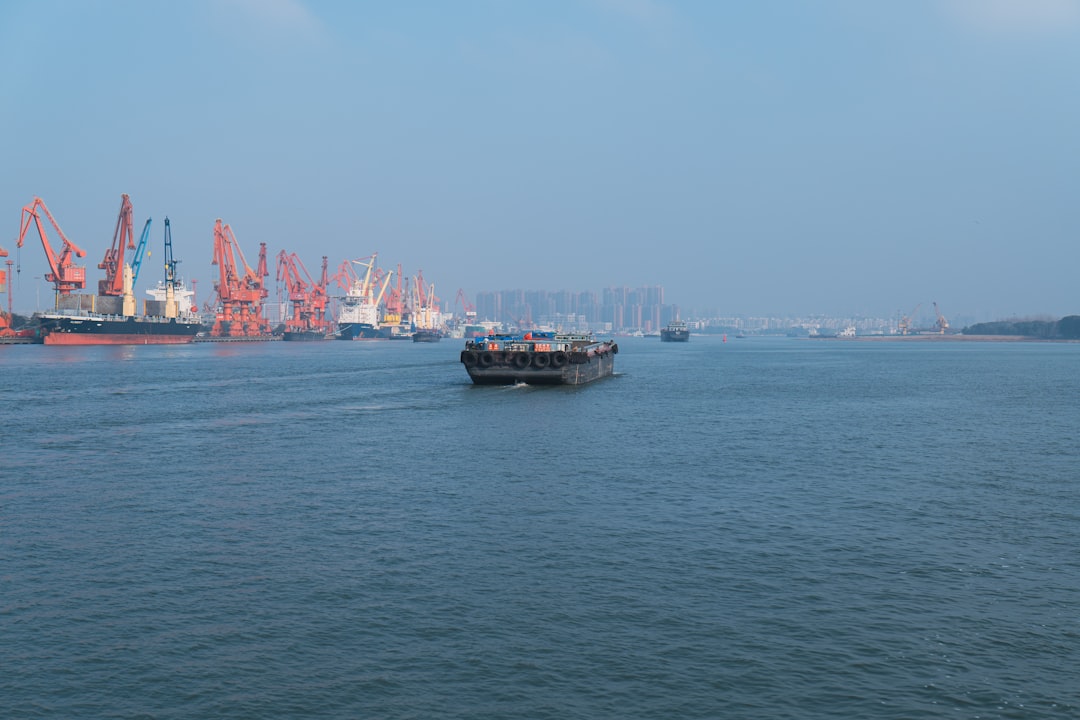
This intelligence report provides a macro-analytical overview of the trade corridor for vegetable saps and extracts (HS 1302.19) between China and Argentina. As global supply chains shift toward specialized chemical and botanical inputs, understanding the volatility and regulatory landscape of this specific trade lane is critical for procurement architects and sourcing directors.
Market Dynamics & Trade Volume
Annual Trade Volume Analysis
The global trade for HS 1302.19 reached approximately $3.88 billion in 2024. While China remains the dominant global exporter in this category with over $1.13 billion in annual export value, the specific bilateral flow to Argentina is characterized by fluctuating demand driven by the Argentine agricultural and chemical processing sectors.
Year-on-Year Growth Trends
Global trade in this sector has seen a steady annualized growth rate of 4.69% over the past five years. Recent data indicates a 5.18% increase in global trade value from 2023 to 2024, reflecting resilient demand for natural extracts in industrial applications.
Sourcing Matrix: Competitive Landscape
Supplier Market Share
China holds the leading position in the global supply of vegetable saps and extracts, followed by India and France. In the context of Argentine imports, Chinese suppliers maintain a competitive advantage due to established logistics networks and price-point efficiency.
| Metric | Performance Data |
|---|---|
| Estimated Annual Global Trade Volume | $3.88 Billion (2024) |
| Year-on-Year Global Growth | +5.18% |
| China Global Market Share (Export) | ~29% ($1.13B) |
| Avg. Customs Clearance Window (Argentina) | 10+ Days (Variable) |
Operational Logistics & Customs
Customs Clearance Window
Importing into Argentina requires navigating complex regulatory frameworks. The average customs clearance window is estimated at 10+ days, though this is highly dependent on the importer's compliance status, the accuracy of the sworn declarations, and current foreign exchange controls.
Regulatory Compliance
Exporters must ensure that all documentation, including commercial invoices and certificates of origin, is meticulously prepared. Argentina’s regulatory environment for chemical-related imports often involves additional inspections and licensing requirements.
Strategic Advisory Memo
Regional Trade Shifts
The China-Argentina Corridor
Recent trade data shows a significant surge in Argentine exports to China, which has improved the overall trade balance and potentially created a more favorable environment for reciprocal imports. Monitoring these bilateral shifts is essential for long-term sourcing stability.
Future Outlook
While the current economic climate in Argentina presents challenges, the demand for industrial raw materials remains consistent. Strategic sourcing should focus on diversifying supplier bases within China to mitigate risks associated with potential regulatory changes or supply chain disruptions.
References
- Orthopedic & Medical Textile Trade (HS 9021.24)
- Japan-US Textile Trade Flows
- Lithium-Ion Battery Trade (HS 850760)
- HS 8713.90 Mobility Solutions (USA to Australia)
- HVAC Systems (HS 8415.10) – China to Iraq Trade Corridor
- Titanium Dioxide (HS 320611) Trade Flows
- HS 3502.20 (Milk Albumin) Trade Flows
- Photovoltaic Semiconductor Components (HS 854143)
- Cleaning Textiles (HS 6307.10) – China to Uzbekistan Trade Corridor
- Cotton Knitwear (HS 611020) Trade Flows