
 470 Visitors
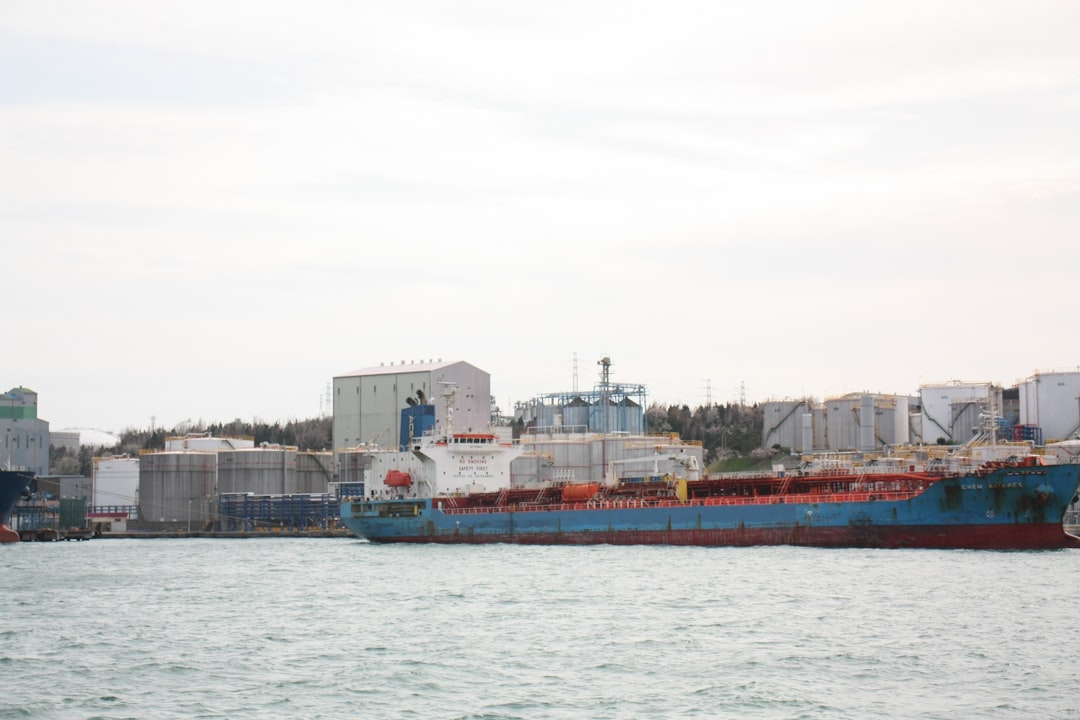
The trade corridor between China and Peru for pharmaceutical-grade goods under HS Code 300410—encompassing medicaments containing penicillins or derivatives—represents a critical nexus of high-value chemical supply chains. As Peru continues to modernize its healthcare infrastructure, the reliance on Chinese manufacturing for essential therapeutic agents has intensified. This report provides a high-level architectural analysis of the current trade dynamics, operational lead times, and market positioning for stakeholders navigating this specialized sourcing lane.
1. Macro-Trade Landscape
Market Integration and Volume
The bilateral trade relationship between China and Peru has matured into a robust partnership, with China serving as a primary source for pharmaceutical inputs. The annual trade volume for pharmaceutical products—where HS 300410 remains a significant sub-category—has seen consistent inflow, with China consistently ranking among the top four origins for Peru's pharmaceutical imports, contributing approximately $90.6 million in total pharmaceutical trade value as of the most recent annual reporting cycle.
2. Performance Metrics: The Sourcing Matrix
Key Analytical Indicators
| Metric | Estimated Value / Status |
|---|---|
| Estimated Annual Trade Volume (China-Peru Pharma) | ~$90M - $100M USD |
| Year-on-Year Growth | ~8-12% (Sectoral Average) |
| Supplier Market Share (China in Peru) | ~7-10% of Total Pharma Imports |
| Average Customs Clearance Window | 5-9 Business Days |
3. Operational Advisory
Strategic Sourcing Memo
4. Supply Chain Resilience
Diversification and Risk
While China remains a dominant supplier, Peruvian importers are increasingly diversifying their sourcing portfolios to include European and Indian manufacturers to hedge against potential supply chain disruptions. The "de-risking" trend observed in global apparel and textile sectors is beginning to mirror in the pharmaceutical raw material trade, as firms seek to avoid sole-supplier dependency.
5. Regulatory Environment
Trade Agreements and Compliance
The China-Peru Free Trade Agreement continues to facilitate favorable tariff conditions for chemical and pharmaceutical goods. Compliance teams should monitor updates to the "General Law of Health" in Peru, which governs the registration and importation of therapeutic products, ensuring that all imports under HS 300410 meet the latest sanitary standards.
6. Outlook & Strategic Shifts
Future Projections
Looking toward 2027, we anticipate a stabilization in trade volumes as Peruvian domestic production capacity for basic medicaments slowly scales. However, for specialized penicillin derivatives, China will retain its competitive pricing advantage. Strategic sourcing architects should focus on long-term contract stability and digital tracking of customs clearance to maintain operational agility in this high-growth corridor.
References
- Orthopedic & Medical Textile Trade (HS 9021.24)
- Japan-US Textile Trade Flows
- Lithium-Ion Battery Trade (HS 850760)
- HS 8713.90 Mobility Solutions (USA to Australia)
- HVAC Systems (HS 8415.10) – China to Iraq Trade Corridor
- Titanium Dioxide (HS 320611) Trade Flows
- HS 3502.20 (Milk Albumin) Trade Flows
- Photovoltaic Semiconductor Components (HS 854143)
- Cleaning Textiles (HS 6307.10) – China to Uzbekistan Trade Corridor
- Cotton Knitwear (HS 611020) Trade Flows