
 533 Visitors
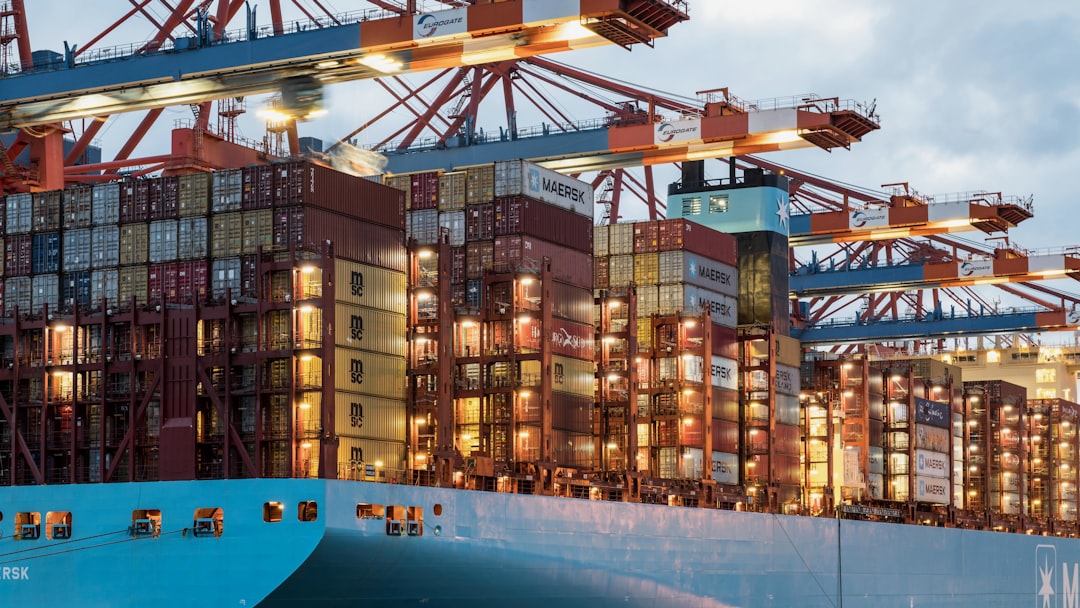
The bilateral trade architecture between France and Morocco is undergoing a profound transformation, driven by the rapid electrification of the automotive sector. As Morocco solidifies its position as a premier nearshoring hub for European OEMs, the exchange of electric vehicles (HS 870380) has emerged as a critical barometer for industrial integration. This report analyzes the current trade dynamics, growth trajectories, and operational considerations for stakeholders navigating this high-velocity trade lane.
Market Dynamics & Trade Volume
Macro-Level Trade Performance
The automotive sector remains the cornerstone of the Franco-Moroccan economic partnership. With total bilateral automotive-related trade exceeding $6.3 billion in the first four months of 2026 alone, the specific segment of pure electric vehicles (HS 870380) is witnessing exponential interest. While traditional combustion engines still dominate legacy volumes, the shift toward electric propulsion is accelerating, supported by significant investments from French automotive giants in Moroccan production facilities.
Estimated Annual Trade Metrics
| Metric | Performance Indicator |
|---|---|
| Estimated Annual Trade Volume | $1.5B+ (Automotive Aggregate) |
| Year-on-Year Growth (EV Segment) | +156.8% (Q1 2026) |
| Supplier Market Share (EU/France) | ~42% of Moroccan Auto Imports |
| Average Customs Clearance Window | 24–48 Hours (Authorized Operators) |
Industrial Integration & Nearshoring
The French-Moroccan Automotive Ecosystem
French OEMs have successfully leveraged Morocco’s industrial acceleration policies to create a seamless supply chain. The proximity of Morocco to the European market—separated by only 14 kilometers at the Strait of Gibraltar—enables a just-in-time manufacturing model that is essential for the high-value, low-inventory requirements of electric vehicle production.
Regulatory Environment & Trade Barriers
Navigating EU-Morocco Trade Policy
While trade is robust, it is not without friction. Recent discussions in Brussels regarding industrial overcapacity and the origin of components in electric vehicles have introduced a layer of complexity. Moroccan manufacturers are currently engaging in high-level dialogues to ensure that local content is recognized as equivalent to European standards, thereby avoiding potential trade duties on finished electric vehicles.
Operational Sourcing Advisory
To minimize the average 24–48 hour customs window, importers should prioritize "Authorized Economic Operator" (AEO) status. Given the sensitivity of EV battery components and high-tech vehicle systems, ensuring full documentation compliance regarding "Rules of Origin" is paramount to mitigating the risk of sudden EU-imposed trade duties.
Growth Drivers & Future Outlook
The 2030 Vision and Green Mobility
The Moroccan government’s 2030 vision, which emphasizes green mobility and sustainable infrastructure, is expected to maintain the current upward trajectory of EV imports and local assembly. As the country prepares for the 2030 FIFA World Cup, infrastructure investments will further enhance the logistics corridor between France and Morocco, likely reducing transit times and costs even further.
Strategic Shifts in Trade Lanes
Conclusion
The France-Morocco trade lane for HS 870380 is transitioning from a traditional export-import model to a highly integrated, co-dependent industrial ecosystem. Stakeholders should anticipate continued volatility in regulatory discussions but remain confident in the long-term resilience of this nearshoring partnership. The shift toward electric mobility is not merely a trend but a structural realignment of the Mediterranean automotive landscape.
References
- Orthopedic & Medical Textile Trade (HS 9021.24)
- Japan-US Textile Trade Flows
- Lithium-Ion Battery Trade (HS 850760)
- HS 8713.90 Mobility Solutions (USA to Australia)
- HVAC Systems (HS 8415.10) – China to Iraq Trade Corridor
- Titanium Dioxide (HS 320611) Trade Flows
- HS 3502.20 (Milk Albumin) Trade Flows
- Photovoltaic Semiconductor Components (HS 854143)
- Cleaning Textiles (HS 6307.10) – China to Uzbekistan Trade Corridor
- Cotton Knitwear (HS 611020) Trade Flows