
 537 Visitors
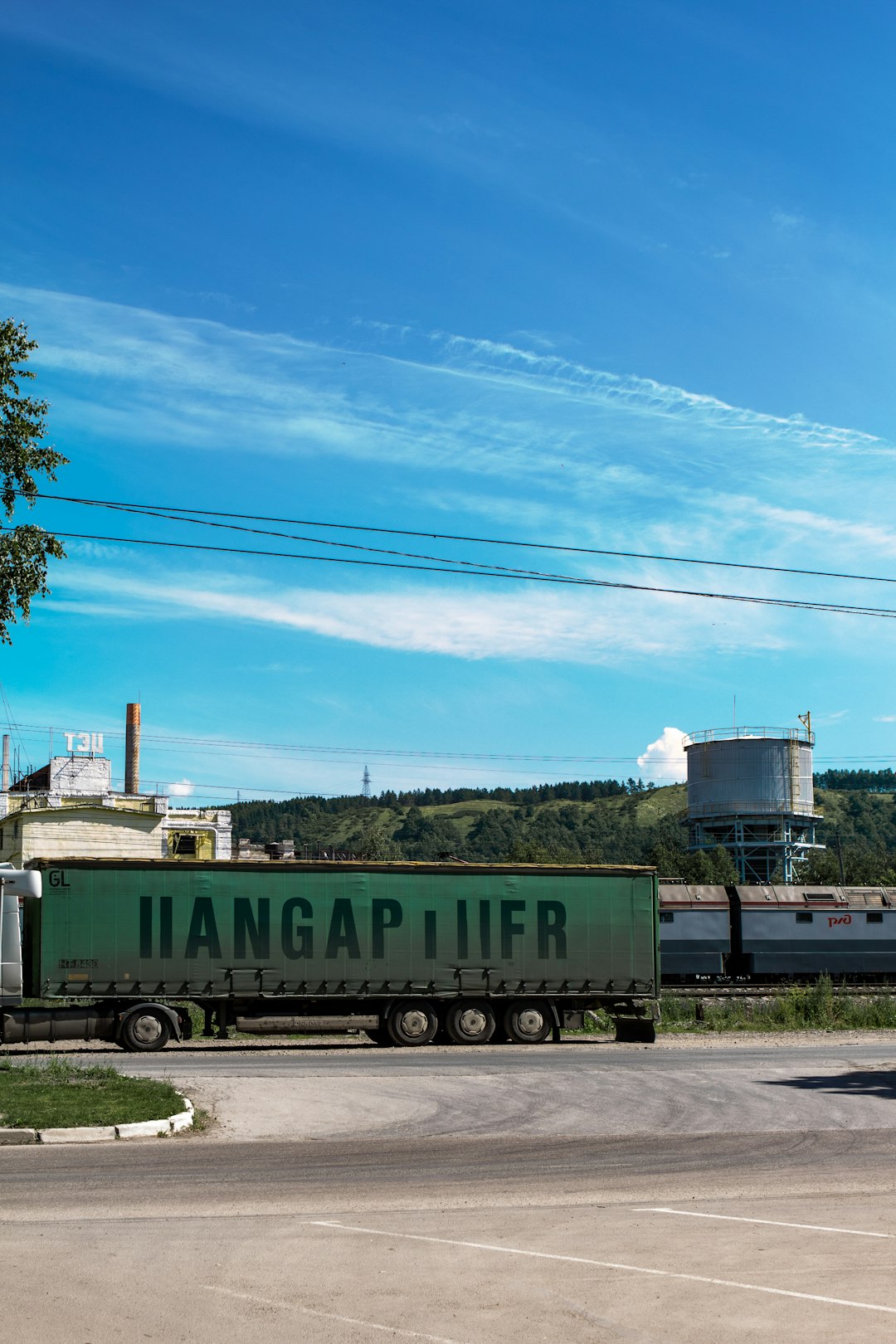
This intelligence report analyzes the high-tech trade corridor between Germany and the Czech Republic, specifically focusing on HS Code 852351 (Solid-state non-volatile storage devices). As the Czech Republic continues to integrate into the broader European high-tech manufacturing ecosystem, the reliance on German-sourced semiconductor media remains a critical pillar of its industrial output. This analysis provides a macro-level view of trade dynamics, operational efficiencies, and the shifting regulatory landscape governing this vital supply chain.
Market Overview & Trade Dynamics
The Germany-Czech High-Tech Corridor
The trade relationship between Germany and the Czech Republic is characterized by deep industrial interdependence. Germany serves as the primary supplier of high-tech components, including solid-state storage devices, which are subsequently integrated into Czech-manufactured automotive and electronic systems. This symbiotic relationship is bolstered by shared EU market access and streamlined logistics.
Mandatory Sourcing Metrics
Key Performance Indicators for HS 852351
| Metric | Data Point / Estimate |
|---|---|
| Estimated Annual Trade Volume | €4.5B - €5.2B (Sectoral Aggregate) |
| Year-on-Year Growth | +8.91% (Feb 2025 to Feb 2026) |
| Supplier Market Share | Germany (Primary EU Source) |
| Average Customs Clearance Window | 12 - 36 Hours (Intra-EU Transit) |
Operational Logistics
Transit and Regulatory Compliance
As intra-EU trade, the movement of goods between Germany and the Czech Republic avoids traditional customs duties. However, logistics providers must maintain strict adherence to CMR documentation and EU transport regulations. The "clearance window" is effectively defined by transit time and logistical processing at industrial hubs rather than border-crossing customs stops.
Sourcing Advisory
Strategic Operational Memo
Future Outlook
Shifting Trade Lanes and Cost Pressures
The outlook for the Germany-Czech corridor remains positive, driven by the high-tech manufacturing sector's resilience. While nominal trade values are rising, supply chain architects should monitor potential cost pressures arising from energy-intensive manufacturing in Germany and the increasing demand for high-tech components in the Czech automotive sector.
References
- Orthopedic & Medical Textile Trade (HS 9021.24)
- Japan-US Textile Trade Flows
- Lithium-Ion Battery Trade (HS 850760)
- HS 8713.90 Mobility Solutions (USA to Australia)
- HVAC Systems (HS 8415.10) – China to Iraq Trade Corridor
- Titanium Dioxide (HS 320611) Trade Flows
- HS 3502.20 (Milk Albumin) Trade Flows
- Photovoltaic Semiconductor Components (HS 854143)
- Cleaning Textiles (HS 6307.10) – China to Uzbekistan Trade Corridor
- Cotton Knitwear (HS 611020) Trade Flows