
 546 Visitors
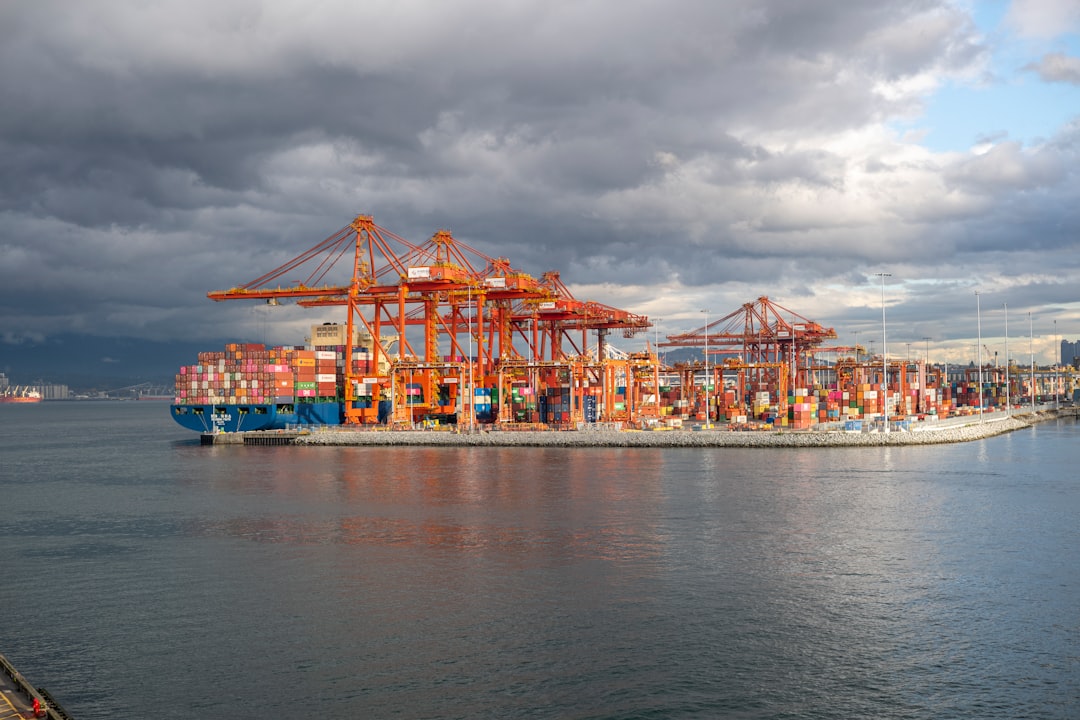
The trade corridor between China and Kenya for plastic films—specifically under HS Code 392010—represents a critical nexus in East African industrial supply chains. As Kenya intensifies its regulatory oversight on plastic packaging, sourcing strategies must evolve from simple price-based procurement to a compliance-first model. This report synthesizes current trade metrics, regulatory shifts, and operational realities for stakeholders navigating this high-growth import lane.
1. Market Dynamics & Trade Volume
Macro-Level Trade Overview
Kenya’s imports of plastics and related articles from China remain a cornerstone of the bilateral trade relationship. While total bilateral trade has seen fluctuations, the demand for specialized polyethylene films—essential for agricultural, medical, and consumer goods packaging—remains robust. Annual trade volume for the broader plastics category (HS 39) from China to Kenya is valued at approximately US$321.6 million, with HS 392010 representing a high-frequency, high-volume subset within this segment.
2. Sourcing Performance Matrix
Key Operational Metrics
| Metric | Performance Data |
|---|---|
| Estimated Annual Trade Volume | US$321.6M (Total Plastics Category) |
| Year-on-Year Growth | Moderate (Adjusted for Regulatory Compliance) |
| Supplier Market Share | China (Dominant Source) |
| Avg. Customs Clearance Window | 3–7 Business Days (Sea Freight) |
3. Regulatory Compliance & Barriers
The Impact of Legal Notice 181
The introduction of Legal Notice 181 of 2024 has fundamentally altered the sourcing landscape. Importers must now navigate stringent licensing requirements for plastic films. Compliance with the Kenya Bureau of Standards (KEBS) Pre-Export Verification of Conformity (PVOC) is no longer optional; failure to produce a valid Certificate of Conformity (COC) results in significant port delays and potential cargo destruction.
4. Operational Sourcing Advisory
5. Logistics & Transit Realities
Sea vs. Air Freight Considerations
While air freight offers a rapid 1–3 day clearance window at JKIA, the bulk nature of polyethylene film typically necessitates sea freight via Mombasa. Importers must account for a 3–7 day clearance window under normal conditions. Proactive document lodging via the Integrated Customs Management System (ICMS) is the primary lever for reducing these windows.
6. Outlook & Strategic Shifts
Future-Proofing the Supply Chain
Looking ahead, the shift toward sustainable and recyclable plastic alternatives will likely impact trade volumes for traditional polyethylene films. Sourcing architects should anticipate increased excise duties on imported plastic products and pivot toward suppliers capable of providing certified, eco-compliant materials. Diversification of supplier bases and deep integration with local clearing agents will be the defining factors for competitive advantage in the 2026–2027 fiscal period.
References
- Orthopedic & Medical Textile Trade (HS 9021.24)
- Japan-US Textile Trade Flows
- Lithium-Ion Battery Trade (HS 850760)
- HS 8713.90 Mobility Solutions (USA to Australia)
- HVAC Systems (HS 8415.10) – China to Iraq Trade Corridor
- Titanium Dioxide (HS 320611) Trade Flows
- HS 3502.20 (Milk Albumin) Trade Flows
- Photovoltaic Semiconductor Components (HS 854143)
- Cleaning Textiles (HS 6307.10) – China to Uzbekistan Trade Corridor
- Cotton Knitwear (HS 611020) Trade Flows