
 580 Visitors
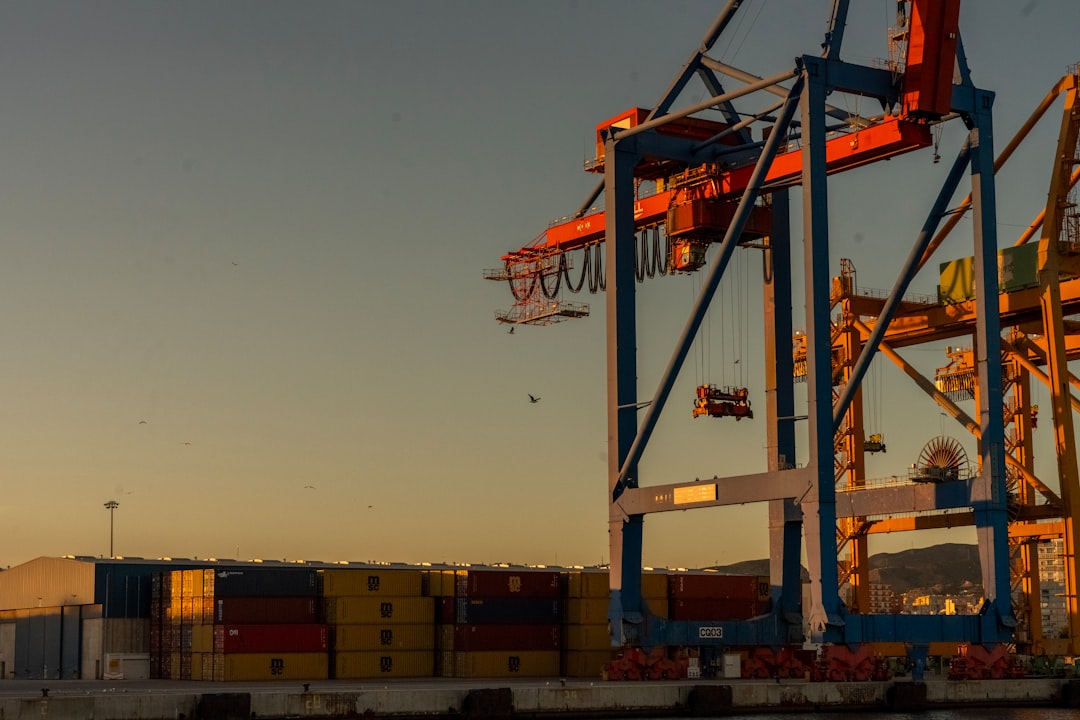
The global transition toward renewable energy has positioned photovoltaic (PV) modules—classified under HS Code 854143—as a critical commodity in international trade. As China maintains its dominance as the primary manufacturing hub for solar technology, Singapore has emerged as the quintessential transshipment and high-tech gateway for the ASEAN region. This report evaluates the operational dynamics, trade flows, and logistical efficiencies defining the China-Singapore trade lane for solar energy infrastructure.
Market Overview & Trade Dynamics
The Role of HS 854143
HS Code 854143 encompasses photovoltaic cells assembled in modules or made up into panels. These components are the backbone of utility-scale and residential solar projects. In the context of China-Singapore trade, these goods are frequently processed through Singapore’s sophisticated logistics ecosystem, which serves as a value-added hub for regional distribution.
Quantitative Sourcing Metrics
Key Performance Indicators
| Metric | Estimated Data Point |
|---|---|
| Annual Trade Volume (China-Singapore) | USD 135B+ (Total Bilateral Trade) |
| Year-on-Year Growth | Variable (High-Tech Sector Growth > 10%) |
| Supplier Market Share (China) | Dominant (>60% Global PV Capacity) |
| Avg. Customs Clearance Window | 4–7 Days (Sea) / 3–6 Hours (Air) |
Logistical Infrastructure
Port Efficiency and Transit
The maritime route from South China to the Port of Singapore is one of the most efficient in the world. With the expansion of the Tuas Mega Port, Singapore continues to optimize its capacity to handle high-volume electronics and renewable energy hardware, ensuring minimal dwell times for transshipment cargo.
Regulatory & Tariff Environment
Duty-Free Advantages
Singapore maintains an exceptionally open trade regime. With 0% MFN duty on 99% of HS codes and the benefits of the ASEAN-China Free Trade Area (ACFTA), importers of PV modules benefit from significant cost savings. The implementation of the TradeNet electronic single-window system further streamlines the customs process.
Strategic Outlook
Future Shifts in Sourcing
As global demand for renewable energy accelerates, the China-Singapore trade lane will likely see increased integration of smart-logistics and blockchain-based customs tracking. Manufacturers are expected to continue utilizing Singapore as a regional headquarters to manage the complexities of the ASEAN supply chain, balancing cost-pressures with the need for rapid deployment of solar infrastructure.
References
- Orthopedic & Medical Textile Trade (HS 9021.24)
- Japan-US Textile Trade Flows
- Lithium-Ion Battery Trade (HS 850760)
- HS 8713.90 Mobility Solutions (USA to Australia)
- HVAC Systems (HS 8415.10) – China to Iraq Trade Corridor
- Titanium Dioxide (HS 320611) Trade Flows
- HS 3502.20 (Milk Albumin) Trade Flows
- Photovoltaic Semiconductor Components (HS 854143)
- Cleaning Textiles (HS 6307.10) – China to Uzbekistan Trade Corridor
- Cotton Knitwear (HS 611020) Trade Flows