
 401 Visitors
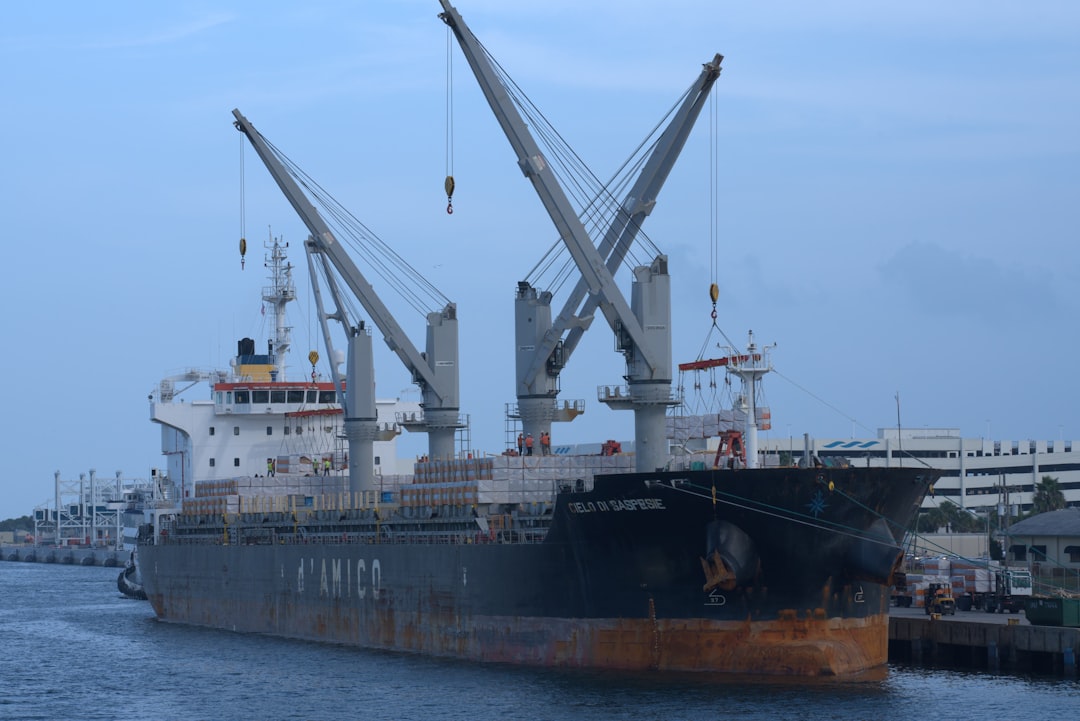
The bilateral trade of industrial packaging machinery between Italy and Germany represents a critical nexus of European manufacturing excellence. As both nations command significant global market share in high-precision engineering, the flow of goods under HS Code 842230—covering machinery for filling, closing, sealing, and labeling—serves as a barometer for industrial automation investment across the Eurozone. This report analyzes the current trade landscape, characterized by high-value technical integration and shifting demand patterns in the face of 2026 economic headwinds.
1. Market Overview & Trade Dynamics
Defining the HS 842230 Category
HS Code 842230 encompasses sophisticated automated systems essential for the food, beverage, and pharmaceutical sectors. These include high-speed filling lines, cartoning systems, and labeling modules. The Italian manufacturing sector, particularly in the packaging machinery segment, is recognized for its agility and R&D-heavy approach, making it a primary supplier for German industrial infrastructure.
2. Core Sourcing Metrics
Performance Indicators for 2025-2026
| Metric | Estimated Value / Status |
|---|---|
| Annual Global Trade Volume (HS 842230) | ~$10.8 Billion (Global Sector) |
| Year-on-Year Growth | ~1.5% to 2.6% (Moderate Recovery) |
| Supplier Market Share (Italy) | ~16.5% - 17% (Global Leader) |
| Avg. Customs Clearance Window | 1-3 Days (Intra-EU Streamlined) |
3. Competitive Landscape
Italy vs. Germany: Engineering Synergy
While Germany remains a dominant global exporter of machinery, Italy holds a competitive edge in specialized packaging automation. The Italian industry, supported by a dense network of SMEs and high-tech clusters, maintains a market share that frequently rivals German output in niche segments. The relationship is characterized by high interdependency, where Italian machinery often integrates into larger German production lines.
4. Operational Logistics
Customs and Transit Efficiency
As an intra-EU trade lane, the Italy-Germany corridor benefits from the absence of traditional tariffs and simplified customs procedures. Standard clearance typically ranges from 1 to 3 days, provided documentation (commercial invoices, packing lists, and EORI validation) is complete. Logistics managers should prioritize pre-submission of data to ensure fluid transit across the Alpine corridors.
5. Sourcing Advisory
Strategic Procurement Memo
6. Outlook & Strategic Shifts
Future-Proofing the Supply Chain
Looking toward 2027, the packaging machinery sector is expected to pivot further toward sustainability and circular economy requirements. Italian exporters are actively investing in machinery capable of processing mono-materials and recycled content to meet stringent EU regulations. While export growth faced challenges in 2025, the 2026-2027 outlook suggests a stabilization of demand as German infrastructure and defense-related investments create new opportunities for industrial automation.
References
- Orthopedic & Medical Textile Trade (HS 9021.24)
- Japan-US Textile Trade Flows
- Lithium-Ion Battery Trade (HS 850760)
- HS 8713.90 Mobility Solutions (USA to Australia)
- HVAC Systems (HS 8415.10) – China to Iraq Trade Corridor
- Titanium Dioxide (HS 320611) Trade Flows
- HS 3502.20 (Milk Albumin) Trade Flows
- Photovoltaic Semiconductor Components (HS 854143)
- Cleaning Textiles (HS 6307.10) – China to Uzbekistan Trade Corridor
- Cotton Knitwear (HS 611020) Trade Flows