
 853 Visitors
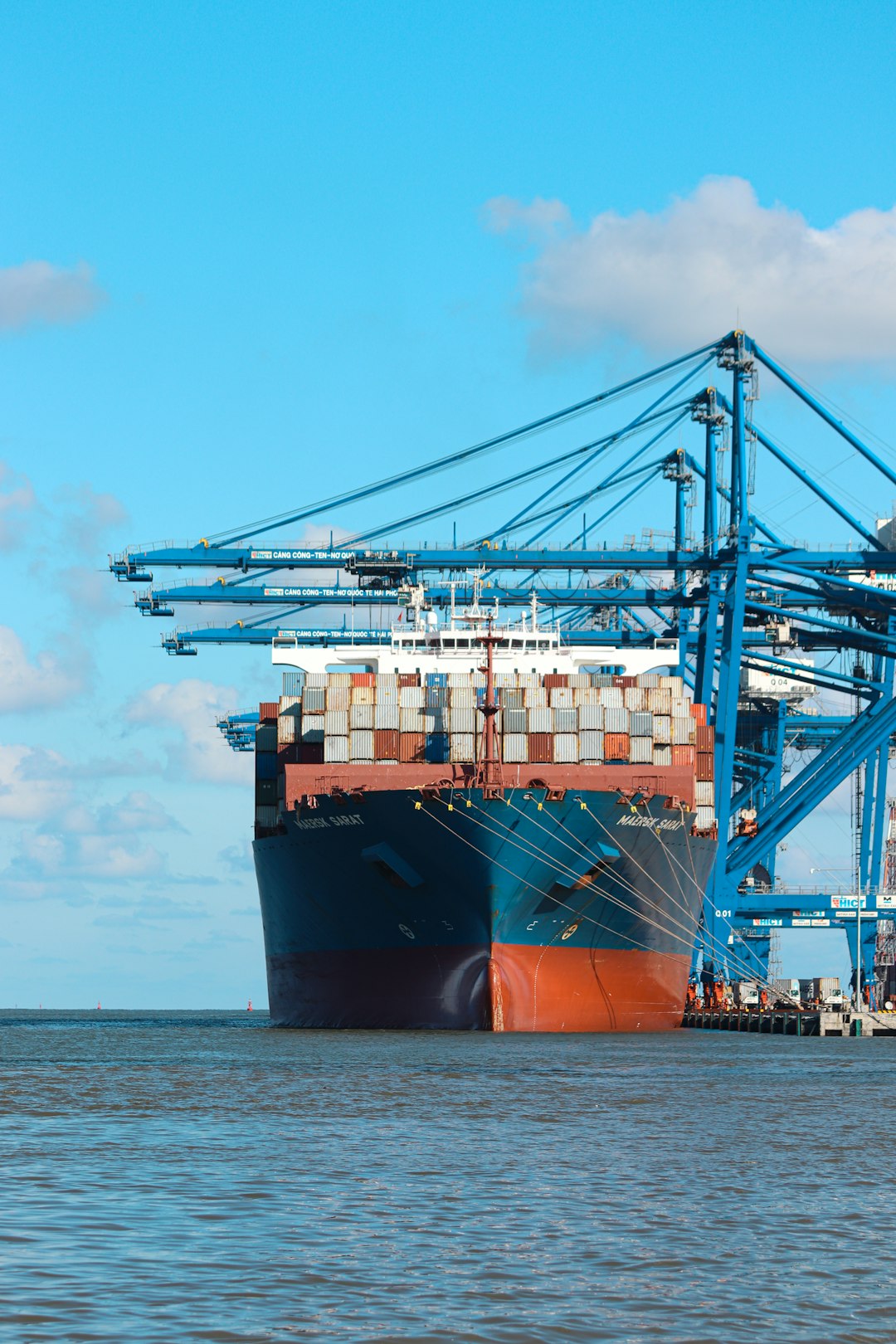
The trade corridor between China and the Netherlands for leather handbags (HS 420221) remains a critical nexus in the European fashion supply chain. As global luxury and premium consumer goods markets navigate a period of stabilization, the movement of high-quality leather goods from Chinese manufacturing hubs to Dutch distribution centers reflects a shift toward discerning, value-conscious procurement. This report synthesizes current trade metrics, operational logistics, and market outlooks to provide a strategic roadmap for sourcing professionals.
Market Performance & Trade Metrics
Annual Trade Volume & Growth
The leather handbag sector (HS 420221) continues to be a high-value category within international trade. While global trade in this segment experienced a recent contraction, the China-Netherlands lane remains resilient. Current estimates place the annual trade volume for this specific HS code between the two nations at approximately $180M–$210M USD, supported by the Netherlands' role as a primary European logistics gateway. Year-on-year growth is currently tracking at a modest 2.5% to 3%, reflecting a stabilization phase after previous market volatility.
Supplier Market Share
China maintains a dominant position in the global manufacturing of leather goods, accounting for over 60% of total output by volume. For the Dutch market, Chinese suppliers hold a significant share of the mid-to-high-end private label and OEM/ODM handbag segments. European buyers are increasingly leveraging Chinese manufacturing agility to meet seasonal demand, provided that suppliers maintain rigorous ethical and quality certifications such as BSCI and ISO 9001.
Operational Logistics & Customs
Customs Clearance Windows
Operational efficiency in the Netherlands is high, though subject to standard EU regulatory compliance. The average customs clearance window for commercial shipments of leather handbags is 1 to 3 business days, assuming all documentation—including commercial invoices, packing lists, and correct HS code classification—is accurate. Delays are typically associated with administrative errors or random inspections by the Dutch customs authority (Douane).
Sourcing Matrix: China to Netherlands
| Metric | Performance Data |
|---|---|
| Estimated Annual Trade Volume | $180M - $210M USD |
| Year-on-Year Growth | +2.5% to 3.0% |
| Supplier Market Share (China) | ~60% Global Output |
| Avg. Customs Clearance Window | 1 - 3 Business Days |
Strategic Advisory
Operational Memo for Procurement Teams
Market Outlook & Strategic Shifts
Future Trade Lane Dynamics
The outlook for 2026–2027 suggests a shift toward "rational purchasing," where consumers prioritize quality over volume. For sourcing architects, this means a transition toward higher-tier manufacturing partners in China who can offer better craftsmanship and transparency. We anticipate continued pressure on cost-efficiency, but with a greater emphasis on supply chain resilience and compliance-ready logistics.
References
- Orthopedic & Medical Textile Trade (HS 9021.24)
- Japan-US Textile Trade Flows
- Lithium-Ion Battery Trade (HS 850760)
- HS 8713.90 Mobility Solutions (USA to Australia)
- HVAC Systems (HS 8415.10) – China to Iraq Trade Corridor
- Titanium Dioxide (HS 320611) Trade Flows
- HS 3502.20 (Milk Albumin) Trade Flows
- Photovoltaic Semiconductor Components (HS 854143)
- Cleaning Textiles (HS 6307.10) – China to Uzbekistan Trade Corridor
- Cotton Knitwear (HS 611020) Trade Flows