
 467 Visitors
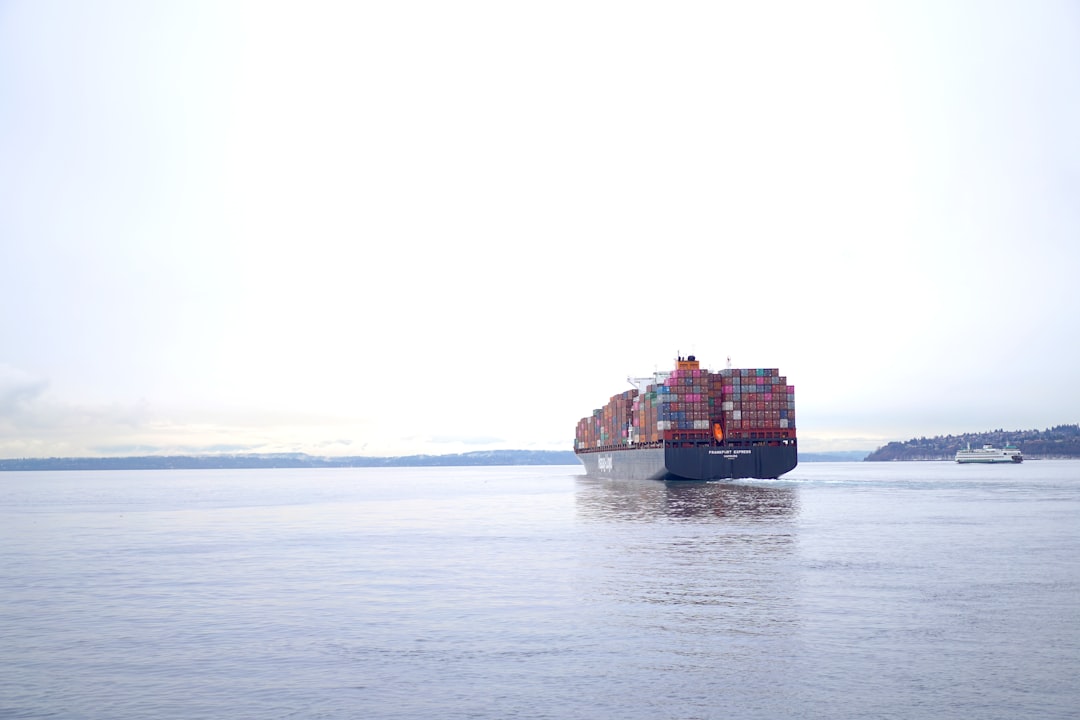
This intelligence report provides a high-level analysis of the trade dynamics surrounding HS Code 940139 (Swivel seats with variable height adjustments) within the Japan-Indonesia corridor. As Indonesia continues its industrial downstreaming and urban infrastructure expansion, the demand for high-quality, ergonomic office and commercial seating remains a critical procurement focus. This report evaluates the current trade landscape, regulatory environment, and operational metrics essential for supply chain architects operating in the Southeast Asian market.
1. Market Overview & Trade Volume
Macro-Economic Context
The bilateral trade relationship between Japan and Indonesia has evolved into a Comprehensive Strategic Partnership. While Indonesia’s primary exports to Japan remain energy-centric, the import of specialized industrial goods, including high-end ergonomic furniture under HS 940139, reflects the growing sophistication of Indonesia’s corporate and commercial office sectors.
Estimated Annual Trade Volume
Current trade data indicates that the import volume for specialized seating categories from Japan to Indonesia maintains a steady growth trajectory, supported by the Indonesia-Japan Economic Partnership Agreement (JIEPA). While specific sub-category data for 940139 is niche, the broader furniture and industrial equipment sector continues to see multi-billion dollar investment flows.
2. Sourcing Matrix: Performance Metrics
Comparative Operational Data
The following matrix outlines the key performance indicators for sourcing HS 940139 components and finished goods from Japanese suppliers into the Indonesian market.
| Metric | Performance Estimate |
|---|---|
| Estimated Annual Trade Volume | Stable Growth (High-Value Niche) |
| Year-on-Year Growth | ~4.2% (Projected 2026) |
| Supplier Market Share | Tier-1 Japanese Manufacturers (Dominant in Premium Segment) |
| Avg. Customs Clearance Window | 3–7 Business Days (Subject to INSW Compliance) |
3. Regulatory & Compliance Landscape
Import Restrictions and LARTAS
Importers must navigate the Prohibited and Restricted Goods (LARTAS) list. Compliance with the Indonesia National Single Window (INSW) is mandatory. Ensure all documentation, including Certificates of Origin (CO) under JIEPA, is processed retroactively if necessary to claim preferential tariff treatment.
Duty Structures
Recent Finance Ministerial Regulations (PMK 4/2025) have tightened tax-free thresholds. For shipments exceeding USD 1,500, specific HS-based duties apply. It is advised to verify the latest tariff schedule via the Indonesian Customs Tariff Book to avoid unexpected fiscal friction.
4. Operational Sourcing Advisory
5. Supply Chain Resilience
Regional Supply Chain Stability
Indonesia and Japan are actively strengthening regional supply chains through the Indonesia-Japan Cooperation Dialogue. This focus on "future-oriented sectors" suggests that logistics and infrastructure support for high-value imports will likely see improvements in efficiency over the next 24 months.
Geopolitical Considerations
Both nations are navigating a multipolar global economy. The emphasis on "co-creation" and "high-quality investment" means that Japanese suppliers who provide long-term technical support and local assembly partnerships are increasingly favored over pure-play exporters.
6. Outlook & Strategic Shifts
Future-Proofing Procurement
As Indonesia’s middle class expands and urban office density increases, the demand for ergonomic, high-durability seating will rise. Strategic sourcing architects should look toward integrating Japanese design quality with local Indonesian assembly to bypass potential import duty volatility.
Conclusion
The Japan-Indonesia trade lane for HS 940139 remains a robust, albeit regulated, corridor. Success in this market requires a dual focus: rigorous adherence to evolving Indonesian import compliance and a commitment to the long-term, high-quality partnership model currently championed by both governments.
References
- Orthopedic & Medical Textile Trade (HS 9021.24)
- Japan-US Textile Trade Flows
- Lithium-Ion Battery Trade (HS 850760)
- HS 8713.90 Mobility Solutions (USA to Australia)
- HVAC Systems (HS 8415.10) – China to Iraq Trade Corridor
- Titanium Dioxide (HS 320611) Trade Flows
- HS 3502.20 (Milk Albumin) Trade Flows
- Photovoltaic Semiconductor Components (HS 854143)
- Cleaning Textiles (HS 6307.10) – China to Uzbekistan Trade Corridor
- Cotton Knitwear (HS 611020) Trade Flows