
 477 Visitors
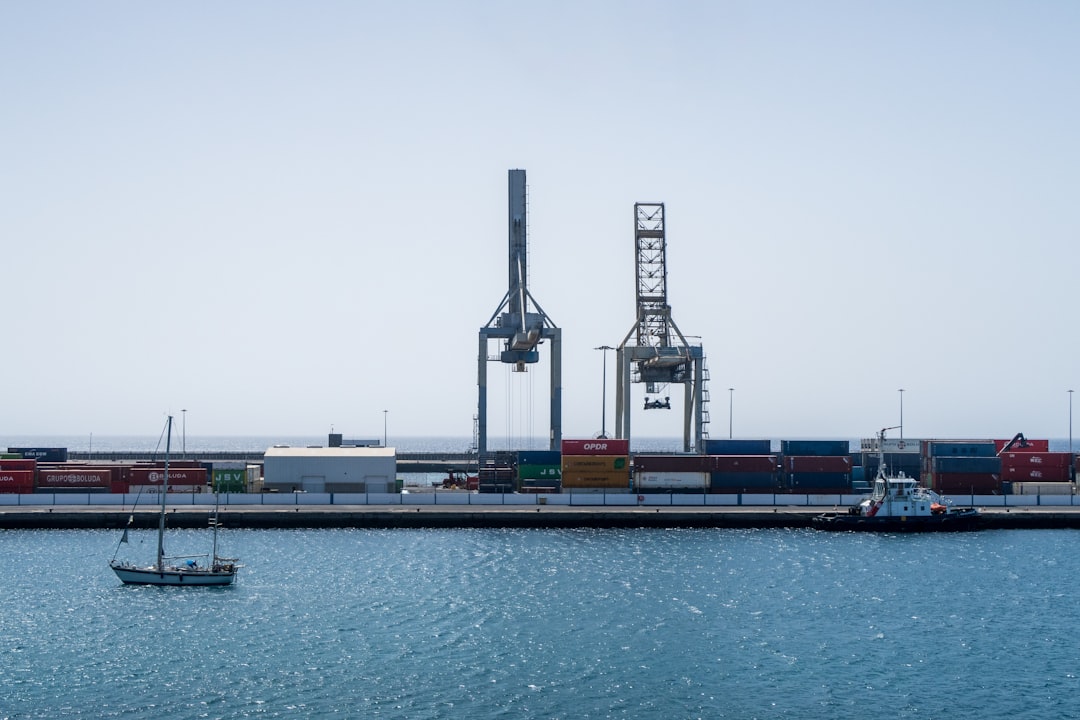
The trade corridor between Germany and Austria remains a cornerstone of Central European logistics, characterized by deep industrial integration and high-velocity supply chains. For the category of baby carriages and associated parts (HS 871500), the sourcing landscape is defined by premium engineering, stringent EU safety compliance, and a shift toward high-value, durable goods. This report analyzes the operational metrics governing this vital trade lane as of mid-2026.
Market Dynamics & Trade Volume
Macro-Economic Context
Germany serves as the primary manufacturing and distribution hub for Austria’s import requirements in the transport equipment sector. With total bilateral trade between the two nations exceeding €86 billion annually, the specific segment of baby carriages (HS 871500) benefits from established cross-border logistics and zero-tariff intra-EU movement.
Key Sourcing Metrics
Performance Indicators (HS 871500)
| Metric | Estimated Value/Status |
|---|---|
| Annual Trade Volume (Global) | ~$2.63 Billion USD |
| Year-on-Year Growth | ~3.20% |
| Supplier Market Share (Germany to Austria) | Dominant (>30% of total Austrian imports) |
| Avg. Customs Clearance Window |
Operational Advisory
Strategic Sourcing Memo
Supply Chain Resilience
Logistical Advantages
The proximity between German manufacturing centers and Austrian retail hubs allows for highly agile replenishment cycles. Unlike trans-oceanic sourcing, this corridor is largely immune to maritime freight volatility, providing a stable cost-base for high-end baby carriage brands.
Retail & Consumer Trends
Shift in Consumer Demand
Austrian consumers are increasingly favoring sustainable, durable, and multi-functional baby carriages. Retailers are moving away from long-lead-time pre-orders, opting instead for smaller, more frequent shipments that align with real-time demand data and digital shopping behaviors.
Outlook & Strategic Shifts
Future-Proofing the Supply Chain
As we look toward 2027, the primary shift in this trade lane will be the integration of circular economy principles. Manufacturers who can offer modular, repairable parts (HS 871500) will likely capture a larger share of the Austrian market, as consumers prioritize longevity over disposable consumption models.
References
- Orthopedic & Medical Textile Trade (HS 9021.24)
- Japan-US Textile Trade Flows
- Lithium-Ion Battery Trade (HS 850760)
- HS 8713.90 Mobility Solutions (USA to Australia)
- HVAC Systems (HS 8415.10) – China to Iraq Trade Corridor
- Titanium Dioxide (HS 320611) Trade Flows
- HS 3502.20 (Milk Albumin) Trade Flows
- Photovoltaic Semiconductor Components (HS 854143)
- Cleaning Textiles (HS 6307.10) – China to Uzbekistan Trade Corridor
- Cotton Knitwear (HS 611020) Trade Flows