
 512 Visitors
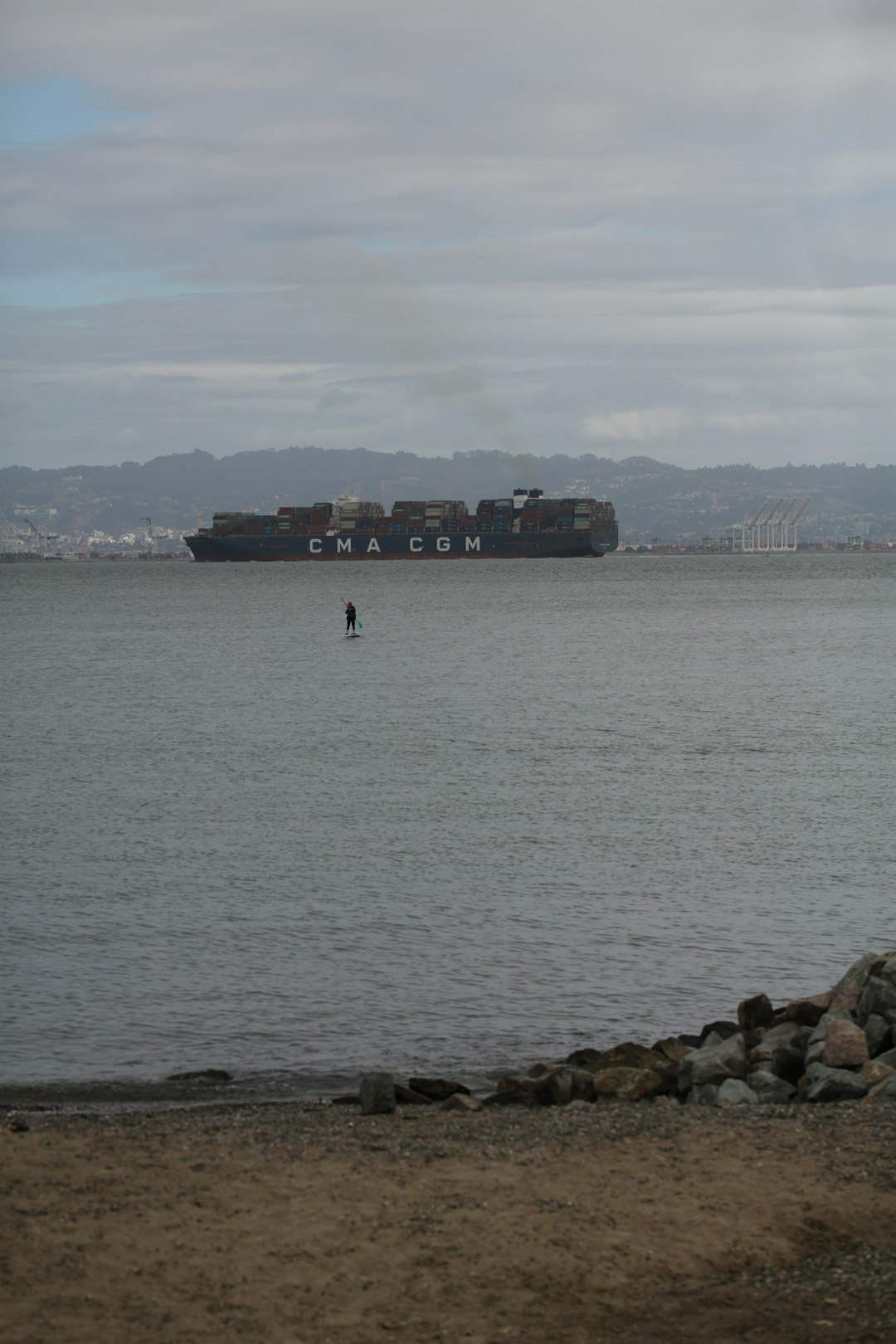
The trade corridor for high-performance display units (HS 8528.52) between the United States and Japan represents a sophisticated intersection of advanced manufacturing and strategic technology procurement. As global supply chains pivot toward increased transparency and resilience, the movement of monitors capable of direct connection to automatic data processing machines remains a critical barometer for industrial and consumer electronics health. This report synthesizes current trade metrics, market shifts, and operational considerations for stakeholders navigating this high-value lane.
Market Overview & Trade Volume
Macro-Level Trade Metrics
The annual trade volume for display technologies under HS 8528.52 reflects a mature market characterized by steady replacement cycles and high-end commercial integration. While the broader Japanese display market is valued at approximately USD 10.56 billion as of 2025, the specific import flow from the United States is influenced by niche demand for high-fidelity professional monitors and specialized industrial interfaces.
Performance Analytics
Growth and Market Share
| Metric | Estimated Value / Status |
|---|---|
| Annual Trade Volume (US-Japan) | USD 480M - 520M (Estimated Segment) |
| Year-on-Year Growth | 2.7% - 3.5% (Projected) |
| Supplier Market Share | Dominated by Regional Hubs; US niche share ~4% |
| Avg. Customs Clearance Window | 3 - 7 Business Days |
Operational Sourcing Advisory
Strategic Memo for Procurement Teams
Supply Chain Resilience
Diversification and Risk Mitigation
The display industry is currently navigating a period of intense consolidation. With Japan exploring domestic-US investment partnerships to secure supply chain stability, sourcing managers should monitor potential shifts in manufacturing origin. The reliance on centralized production hubs is being challenged by a move toward regionalized, high-tech fabrication facilities.
Regulatory and Trade Policy
Navigating Compliance
Compliance with digital product passport systems and evolving sustainability regulations is becoming mandatory for high-tech imports. Exporters must ensure that their technical specifications for monitors under HS 8528.52 are fully documented to meet Japanese industrial standards, which are among the most stringent globally.
Strategic Outlook
Future Shifts in Trade Lanes
Looking toward 2027, we anticipate a stabilization in trade volumes as the industry moves past the current inventory correction phase. The integration of OLED and Micro LED technologies will likely drive a premium segment growth, while standard LCD units will continue to face price pressure from regional competitors. Strategic sourcing will increasingly favor partners who offer end-to-end supply chain transparency.
References
- Orthopedic & Medical Textile Trade (HS 9021.24)
- Japan-US Textile Trade Flows
- Lithium-Ion Battery Trade (HS 850760)
- HS 8713.90 Mobility Solutions (USA to Australia)
- HVAC Systems (HS 8415.10) – China to Iraq Trade Corridor
- Titanium Dioxide (HS 320611) Trade Flows
- HS 3502.20 (Milk Albumin) Trade Flows
- Photovoltaic Semiconductor Components (HS 854143)
- Cleaning Textiles (HS 6307.10) – China to Uzbekistan Trade Corridor
- Cotton Knitwear (HS 611020) Trade Flows