
 505 Visitors
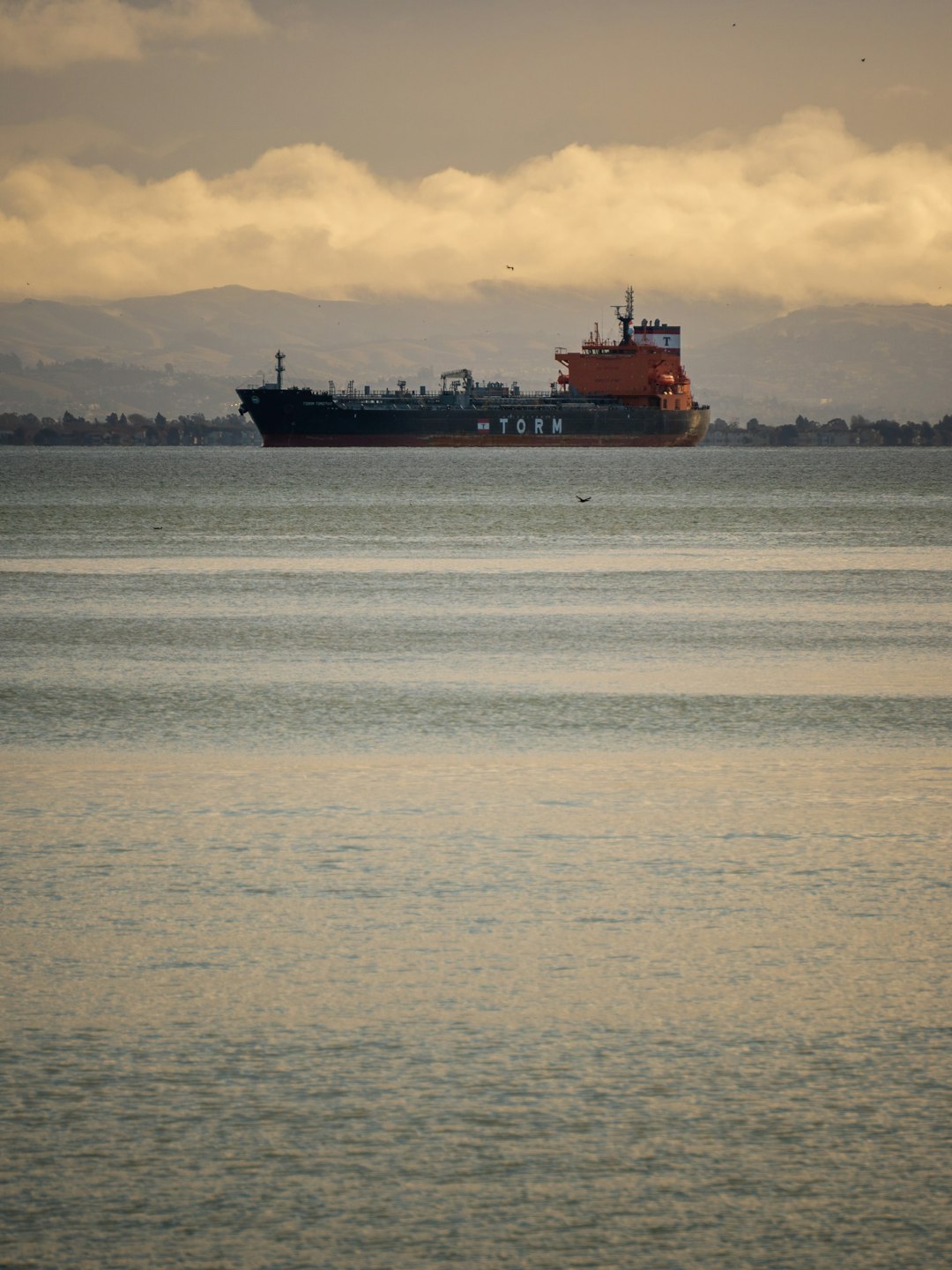
The trade corridor between Germany and the Netherlands remains a cornerstone of European industrial supply chains. As the Netherlands continues to serve as a primary logistics gateway for the European Union, the movement of electrical components—specifically liquid dielectric transformers under HS code 850421—reflects broader trends in regional infrastructure investment and energy transition initiatives. This report analyzes the current trade flow, operational efficiency, and market positioning for this critical commodity.
1. Market Overview & Product Classification
Defining HS 850421
HS code 850421 pertains to electrical transformers, static converters, and inductors, specifically those utilizing a liquid dielectric and possessing a power handling capacity not exceeding 650 kVA. These components are essential for grid stability, renewable energy integration, and industrial power distribution.
2. Quantitative Trade Metrics
Performance Indicators (2025-2026)
The following metrics represent the current state of the Germany-Netherlands trade lane for electrical machinery and components, reflecting the high-value integration of these two economies.
| Metric | Estimated Value / Status |
|---|---|
| Annual Trade Volume (Bilateral) | ~€211 Billion (Total Goods) |
| Year-on-Year Growth | +3.0% (Volume-Adjusted) |
| Supplier Market Share | Germany holds >25% of Dutch Electrical Imports |
| Avg. Customs Clearance Window |
3. Operational Sourcing Advisory
Strategic Memo for Procurement Managers
4. Supply Chain Resilience
Mitigating Industrial Headwinds
Germany’s industrial sector is currently navigating a transition toward higher-value, specialized manufacturing. For buyers of HS 850421, this means a shift toward more sophisticated, smart-grid-compatible transformers. Reliance on German suppliers offers high reliability and technical compliance with EU safety standards, mitigating the risks associated with non-EU supply chains.
5. Regional Trade Dynamics
The Netherlands as a Logistics Hub
The Netherlands remains the primary entry point for goods entering the European market. The efficiency of Dutch ports and inland waterway networks ensures that German-manufactured electrical components are rapidly distributed across the Benelux region and beyond, maintaining a competitive edge in logistics costs.
6. Outlook & Strategic Shifts
Future-Proofing the Supply Chain
Looking ahead, we anticipate a continued consolidation of trade between Germany and the Netherlands as both nations prioritize regional supply chain security. Buyers should monitor the impact of German industrial production shifts; while total trade volumes remain robust, the product mix is evolving. Future sourcing strategies should emphasize long-term partnerships with German manufacturers capable of integrating digital monitoring capabilities into standard liquid dielectric transformers.
References
- Orthopedic & Medical Textile Trade (HS 9021.24)
- Japan-US Textile Trade Flows
- Lithium-Ion Battery Trade (HS 850760)
- HS 8713.90 Mobility Solutions (USA to Australia)
- HVAC Systems (HS 8415.10) – China to Iraq Trade Corridor
- Titanium Dioxide (HS 320611) Trade Flows
- HS 3502.20 (Milk Albumin) Trade Flows
- Photovoltaic Semiconductor Components (HS 854143)
- Cleaning Textiles (HS 6307.10) – China to Uzbekistan Trade Corridor
- Cotton Knitwear (HS 611020) Trade Flows