
 438 Visitors
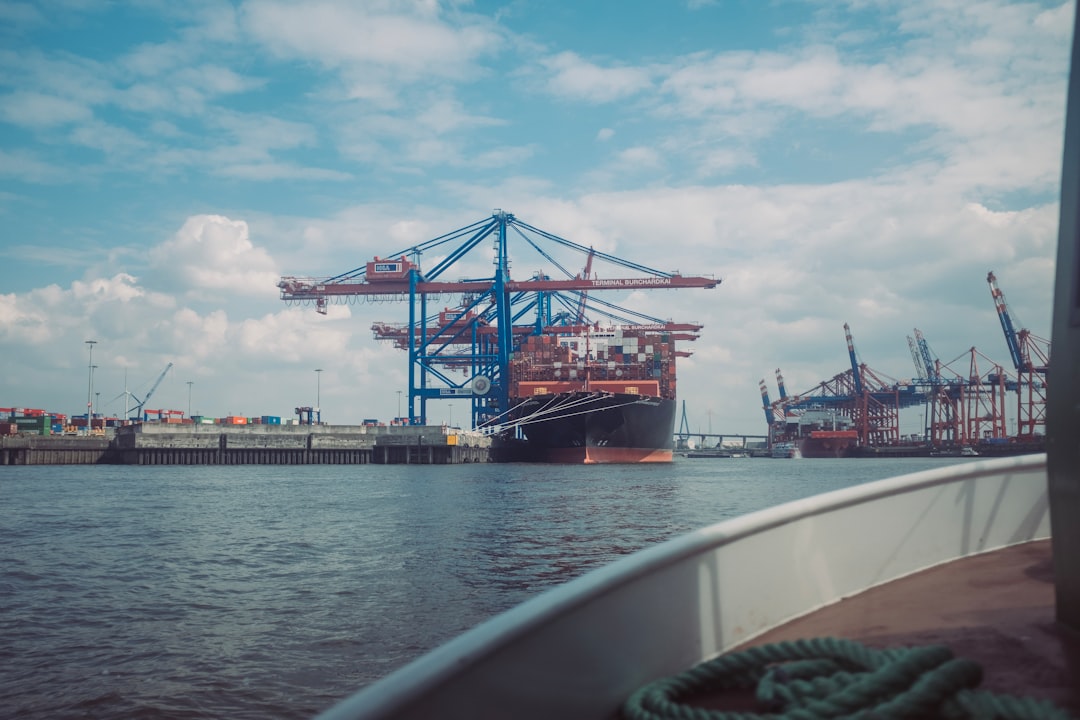
The global market for milk albumin and whey protein concentrates (HS 350220) represents a critical intersection of chemical-grade manufacturing and high-value nutritional supply chains. As Poland continues to solidify its role as a strategic logistics gateway for Central and Eastern Europe, the trade flow from China—a dominant manufacturing hub—requires precise operational oversight. This report evaluates the current trade landscape, emphasizing the volatility in logistics and the necessity for rigorous customs compliance to maintain supply chain agility.
1. Market Overview & Trade Volume
Macro-Level Trade Metrics
The global trade of milk albumin and concentrated whey proteins has witnessed significant expansion, with annual global trade values recently reaching approximately $2.94 billion. China remains a primary supplier in this sector, leveraging large-scale production facilities to meet the rising demand for high-protein derivatives in the European market.
2. Sourcing Matrix: China to Poland
Comparative Logistics & Performance
| Metric | Performance Data |
|---|---|
| Estimated Annual Trade Volume | ~$2.94B (Global Aggregate) |
| Year-on-Year Growth | +25.6% |
| Supplier Market Share (China) | Top-tier global exporter |
| Avg. Customs Clearance Window | 1–4 Hours (On-site/Pre-lodged) |
3. Operational Advisory: Customs & Compliance
Strategic Memo for Importers
4. Logistics & Transit Dynamics
Route Optimization
Transit times from China to Poland vary significantly by mode. While sea freight remains the most cost-effective for bulk shipments (averaging 25–35 days), rail freight via the China-Europe Railway Express (entering through Małaszewicze) offers a balanced alternative at 12–18 days. Air freight is reserved for high-value, time-sensitive batches, typically clearing within 3–8 days.
5. Growth Drivers & Market Shifts
Future Outlook
The 15.8% annualized growth rate in this sector is driven by the diversification of applications for milk albumin, ranging from pharmaceutical excipients to high-end sports nutrition. As geopolitical conditions impact traditional sea routes, we anticipate a continued shift toward rail-based logistics to ensure supply chain stability for Polish importers.
6. References
- Orthopedic & Medical Textile Trade (HS 9021.24)
- Japan-US Textile Trade Flows
- Lithium-Ion Battery Trade (HS 850760)
- HS 8713.90 Mobility Solutions (USA to Australia)
- HVAC Systems (HS 8415.10) – China to Iraq Trade Corridor
- Titanium Dioxide (HS 320611) Trade Flows
- HS 3502.20 (Milk Albumin) Trade Flows
- Photovoltaic Semiconductor Components (HS 854143)
- Cleaning Textiles (HS 6307.10) – China to Uzbekistan Trade Corridor
- Cotton Knitwear (HS 611020) Trade Flows