
 432 Visitors
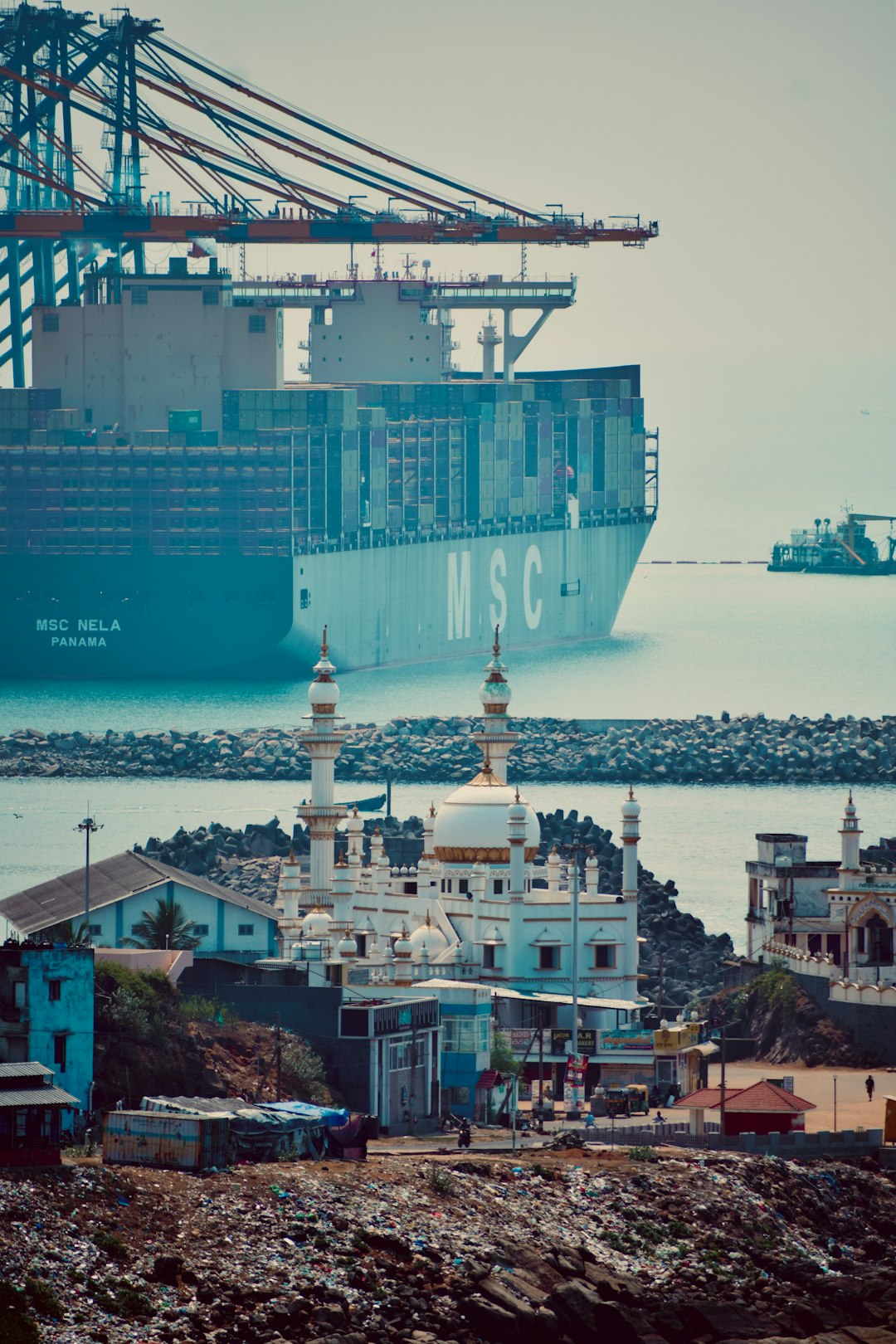
The trade corridor between China and Oman for HS 2304.00 (Oil-cake and other solid residues resulting from the extraction of soybean oil) represents a specialized segment of the agricultural and feed-stock supply chain. As Oman accelerates its economic diversification under the Vision 2040 framework, the demand for high-protein feed additives remains a critical component of the Sultanate’s agricultural resilience. This report analyzes the current trade landscape, operational bottlenecks, and strategic sourcing metrics for stakeholders navigating this specific commodity lane.
Market Overview & Trade Volume
Macro-Economic Context
The trade of soybean oil-cake between China and Oman is characterized by fluctuating demand tied to regional livestock and aquaculture development. While historical data points to moderate import volumes, the integration of the China-Oman Industrial Park in Duqm has fostered a more robust framework for bilateral trade, positioning Oman as a strategic logistics hub for the broader GCC region.
Key Sourcing Metrics
Performance Indicators (2025-2026)
| Metric | Estimated Value / Status |
|---|---|
| Annual Trade Volume (China to Oman) | ~$0.5M - $1.0M (Fluctuating) |
| Year-on-Year Growth | -2.5% (Reflecting regional import contraction) |
| Supplier Market Share (China) | Niche/Emerging |
| Avg. Customs Clearance Window | 3-5 Working Days (Via Bayan) |
Regulatory & Operational Compliance
Customs & Documentation
Oman’s customs clearance process is managed through the Bayan e-Customs system. For HS 2304.00, importers must ensure strict adherence to Ministry of Agriculture, Fisheries and Water Resources (MAFWR) regulations, including the provision of Sanitary-Phytosanitary (SPS) certificates. Failure to provide accurate 12-digit GCC HS codes often results in administrative delays.
Sourcing Advisory
Supply Chain Resilience
Logistics & Infrastructure
Oman’s strategic position outside the Strait of Hormuz provides a distinct logistics advantage. However, importers should account for the 5% GCC Common External Tariff (CET) and the 5% VAT, which together create a total effective tax burden of approximately 10.25% on landed costs.
Strategic Outlook
Future Shifts
The outlook for the China-Oman trade lane remains positive, driven by the expansion of non-oil industrial activities. While current trade volumes for soybean residues are modest, increased investment in the Duqm Special Economic Zone is expected to drive demand for industrial-grade feed inputs, potentially shifting trade patterns toward higher-volume, long-term supply contracts.
References
- Orthopedic & Medical Textile Trade (HS 9021.24)
- Japan-US Textile Trade Flows
- Lithium-Ion Battery Trade (HS 850760)
- HS 8713.90 Mobility Solutions (USA to Australia)
- HVAC Systems (HS 8415.10) – China to Iraq Trade Corridor
- Titanium Dioxide (HS 320611) Trade Flows
- HS 3502.20 (Milk Albumin) Trade Flows
- Photovoltaic Semiconductor Components (HS 854143)
- Cleaning Textiles (HS 6307.10) – China to Uzbekistan Trade Corridor
- Cotton Knitwear (HS 611020) Trade Flows