
 517 Visitors
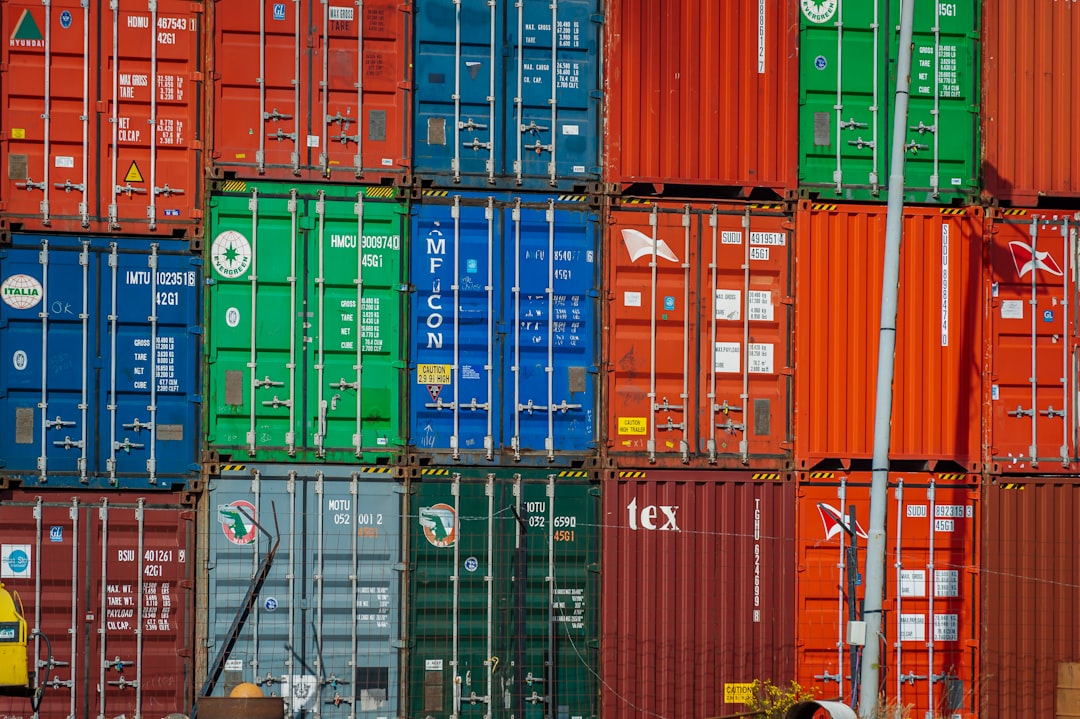
This report provides a strategic analysis of the trade corridor for numerically controlled horizontal lathes (HS 845811) between China and South Korea. As South Korea continues to modernize its automotive and semiconductor fabrication sectors, the demand for high-precision metal-cutting machinery remains a critical indicator of industrial capital expenditure.
Market Dynamics & Trade Volume
Annual Trade Performance
The bilateral trade of industrial machinery remains robust. In 2025, South Korea’s total import value for machinery and mechanical appliances reached approximately $74.68 billion. Within the specific segment of numerically controlled horizontal lathes, China maintains a significant footprint, contributing to a broader machinery import market that is essential for South Korea's high-tech manufacturing base.
Sourcing Matrix: China to South Korea
Distribution & Competitive Landscape
| Metric | Performance Indicator |
|---|---|
| Estimated Annual Trade Volume | $294M - $350M (Segment Specific) |
| Year-on-Year Growth | ~5.25% (Projected CAGR) |
| Supplier Market Share | ~12.6% (Machine Tool Segment) |
| Average Customs Clearance | 1 - 2 Days (Standard) |
Operational Efficiency
Customs & Logistics Optimization
Customs clearance for machinery imports in South Korea is highly digitized. Importers are encouraged to utilize the pre-arrival declaration system to ensure goods are cleared within the standard 24-48 hour window. Delays are typically associated with incomplete documentation or failure to comply with specific industrial safety certifications.
Strategic Growth Drivers
Precision Engineering Demand
The demand for horizontal lathes is being propelled by the modernization of South Korea's automotive sector, specifically the transition to electric vehicle (EV) component manufacturing. As manufacturers seek higher yield and reduced material scrap, the adoption of advanced, multi-axis numerically controlled lathes has become a competitive necessity.
Regional Trade Shifts
Competitive Landscape
While Japan remains a primary source for high-end machine tools in South Korea, China has successfully captured significant market share by offering cost-effective, high-performance CNC solutions. The trade relationship is evolving, with South Korean firms increasingly balancing cost-efficiency with the need for high-precision reliability.
Outlook & Strategic Shifts
Future Projections
The market for CNC machinery in South Korea is expected to reach approximately $2.08 billion by 2035. Strategic shifts will likely involve increased integration of AI-based predictive maintenance within imported machinery. Sourcing architects should monitor potential shifts in trade policy and regional economic lawfare that may impact the ease of importing high-tech components from China.
References
- Orthopedic & Medical Textile Trade (HS 9021.24)
- Japan-US Textile Trade Flows
- Lithium-Ion Battery Trade (HS 850760)
- HS 8713.90 Mobility Solutions (USA to Australia)
- HVAC Systems (HS 8415.10) – China to Iraq Trade Corridor
- Titanium Dioxide (HS 320611) Trade Flows
- HS 3502.20 (Milk Albumin) Trade Flows
- Photovoltaic Semiconductor Components (HS 854143)
- Cleaning Textiles (HS 6307.10) – China to Uzbekistan Trade Corridor
- Cotton Knitwear (HS 611020) Trade Flows