
 441 Visitors
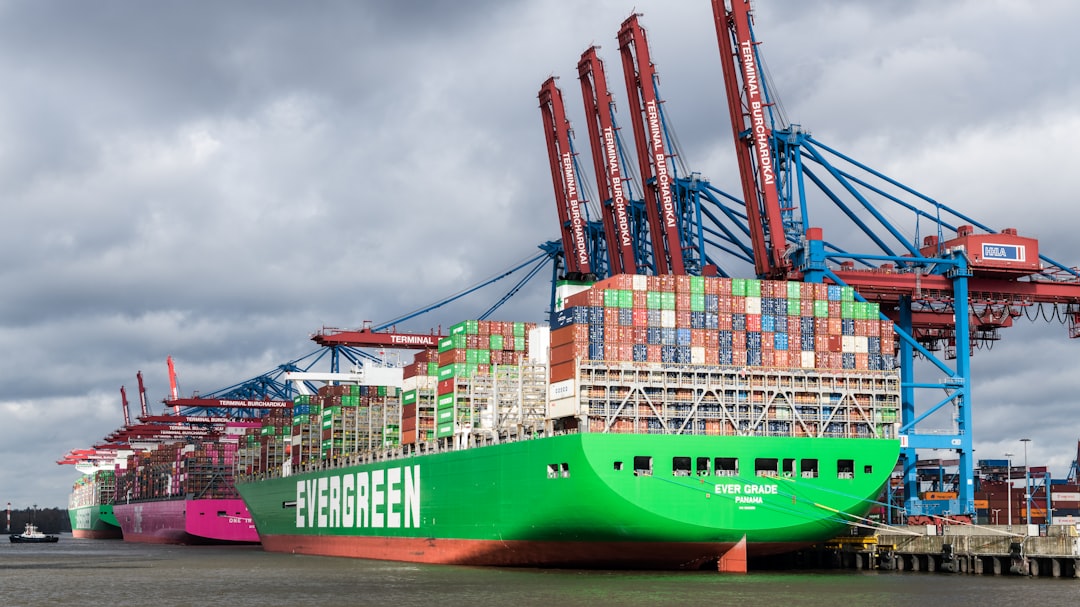
This report provides a high-level architectural analysis of the trade corridor for HS Code 4409.21 (Continuously shaped bamboo and wood products) between Japan and Vietnam. As Vietnam solidifies its position as a global manufacturing hub for furniture and interior components, the strategic import of high-quality, precision-shaped wood materials from Japan has become a critical upstream dependency. This intelligence brief evaluates current trade volumes, growth trajectories, and operational efficiencies within this specific supply chain segment.
Market Dynamics & Trade Volume
Annual Trade Volume Analysis
The trade of wood and wood-based products between Japan and Vietnam remains a robust pillar of bilateral economic cooperation. While total wood product exports from Vietnam to Japan reached approximately $2.15 billion in 2025, the inverse flow of specialized materials—including HS 4409.21—is characterized by high-value, precision-engineered inputs essential for Vietnam’s secondary manufacturing sector.
Growth Trajectories
Year-on-year growth in the broader wood sector remains positive, with Vietnam's total wood exports maintaining a 5-6% annual expansion. The specific demand for Japanese-origin shaped wood components is driven by the need for high-grade raw materials that meet the stringent sustainability and quality standards of Vietnam’s export-oriented furniture industry.
Sourcing Matrix: Regional Distribution
Comparative Market Share
Vietnam’s import landscape for wood products is highly diversified. While China remains the primary source for bulk raw materials, Japan holds a strategic niche in the high-end, precision-shaped segment (HS 4409.21), providing the technical consistency required for premium furniture manufacturing.
| Origin Country | Market Share (Est.) | Primary Segment |
|---|---|---|
| China | 42% | Bulk Timber & Semi-finished |
| Japan | 13% | Precision Shaped (HS 4409.21) |
| United States | 19% | Hardwood & Specialty |
Operational Logistics
Customs Clearance Windows
For shipments of HS 4409.21 from Japan to Vietnam, the average customs clearance window is optimized at 3-5 business days, provided that all phytosanitary and origin documentation is pre-verified. The Vietnam-Japan Economic Partnership Agreement (VJEPA) significantly streamlines these processes, reducing non-tariff barriers for compliant exporters.
Strategic Advisory
Future Outlook
Supply Chain Shifts
The outlook for 2026-2027 suggests a continued shift toward "green" manufacturing. Vietnam is increasingly prioritizing the import of certified, sustainably sourced wood. Exporters from Japan who can provide verified carbon-neutral or sustainably harvested timber will likely capture a larger share of the Vietnamese market as the latter faces stricter EU and US environmental compliance requirements.
References
- Orthopedic & Medical Textile Trade (HS 9021.24)
- Japan-US Textile Trade Flows
- Lithium-Ion Battery Trade (HS 850760)
- HS 8713.90 Mobility Solutions (USA to Australia)
- HVAC Systems (HS 8415.10) – China to Iraq Trade Corridor
- Titanium Dioxide (HS 320611) Trade Flows
- HS 3502.20 (Milk Albumin) Trade Flows
- Photovoltaic Semiconductor Components (HS 854143)
- Cleaning Textiles (HS 6307.10) – China to Uzbekistan Trade Corridor
- Cotton Knitwear (HS 611020) Trade Flows