
 526 Visitors
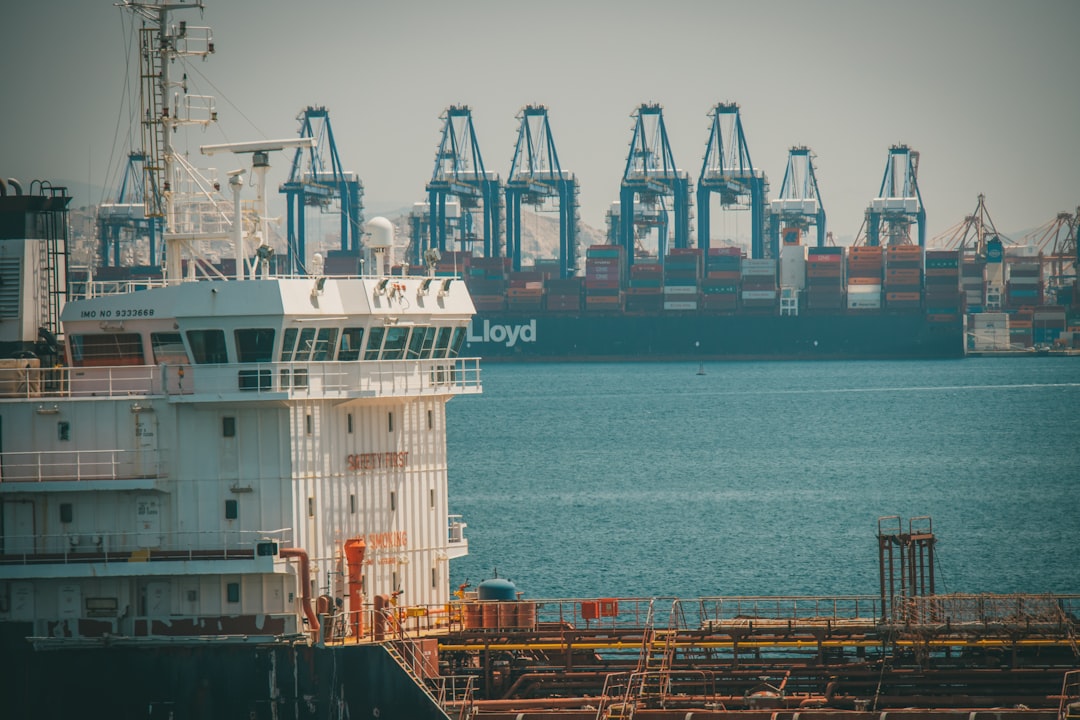
The global transition toward sustainable urban mobility has positioned electric two-wheelers—classified under HS Code 871160—as a critical component of the European logistics and consumer retail landscape. As Poland solidifies its role as a central European distribution hub, the trade corridor from China has experienced a marked intensification. This report analyzes the current sourcing dynamics, trade volumes, and operational considerations for B2B stakeholders navigating this high-growth sector in 2026.
Market Dynamics & Trade Volume
Annual Trade Performance
Poland’s import market for electric motor vehicles, which encompasses the high-volume electric two-wheeler segment, has reached significant scale. Recent data indicates that Poland imported approximately $224 million in electric motor vehicles from China in the most recent annual reporting period, reflecting a robust appetite for Chinese-manufactured electric propulsion units.
Growth Trajectory & Market Share
Year-on-Year Expansion
The trade lane is characterized by aggressive growth. Between 2023 and 2024, the value of electric motor vehicle imports from China to Poland surged by over $84 million. Furthermore, cumulative export data from China to key European markets, including Poland, has consistently maintained double-digit year-on-year growth, with some segments reporting increases exceeding 40% in volume.
Supplier Market Dominance
China remains the undisputed global leader in electric two-wheeler manufacturing, accounting for approximately 66% of total global sales. In the Polish market, Chinese suppliers are rapidly capturing share from traditional regional competitors, leveraging advanced manufacturing ecosystems and cost-efficient battery integration.
Operational Sourcing Matrix
| Metric | Performance Indicator |
|---|---|
| Est. Annual Trade Volume (China-Poland) | ~$224M (Electric Motor Vehicles Segment) |
| Year-on-Year Growth | Double-digit growth (>40% in specific segments) |
| Supplier Market Share (Global) | ~66% (Chinese OEMs) |
| Avg. Customs Clearance Window | 3–7 Business Days (Standard EU Compliance) |
Customs & Compliance Intelligence
Regulatory Hurdles
Importing HS 871160 requires strict adherence to EU safety and environmental standards, including CE certification and Euro 5 compliance. The customs clearance window typically averages 3 to 7 business days, provided that all documentation—including Certificates of Origin and battery safety compliance records—is pre-verified.
Sourcing Advisory
Outlook & Strategic Shifts
Future Trade Lane Evolution
The sourcing landscape is shifting toward regionalized assembly. While China remains the primary source for core components, we anticipate an increase in "knock-down" kit shipments to Poland, where final assembly can occur to better align with EU trade preferences. Cost pressures are expected to stabilize as battery technology reaches parity, though logistics costs remain a variable factor for 2026-2027 planning.
References
- Orthopedic & Medical Textile Trade (HS 9021.24)
- Japan-US Textile Trade Flows
- Lithium-Ion Battery Trade (HS 850760)
- HS 8713.90 Mobility Solutions (USA to Australia)
- HVAC Systems (HS 8415.10) – China to Iraq Trade Corridor
- Titanium Dioxide (HS 320611) Trade Flows
- HS 3502.20 (Milk Albumin) Trade Flows
- Photovoltaic Semiconductor Components (HS 854143)
- Cleaning Textiles (HS 6307.10) – China to Uzbekistan Trade Corridor
- Cotton Knitwear (HS 611020) Trade Flows