
 508 Visitors
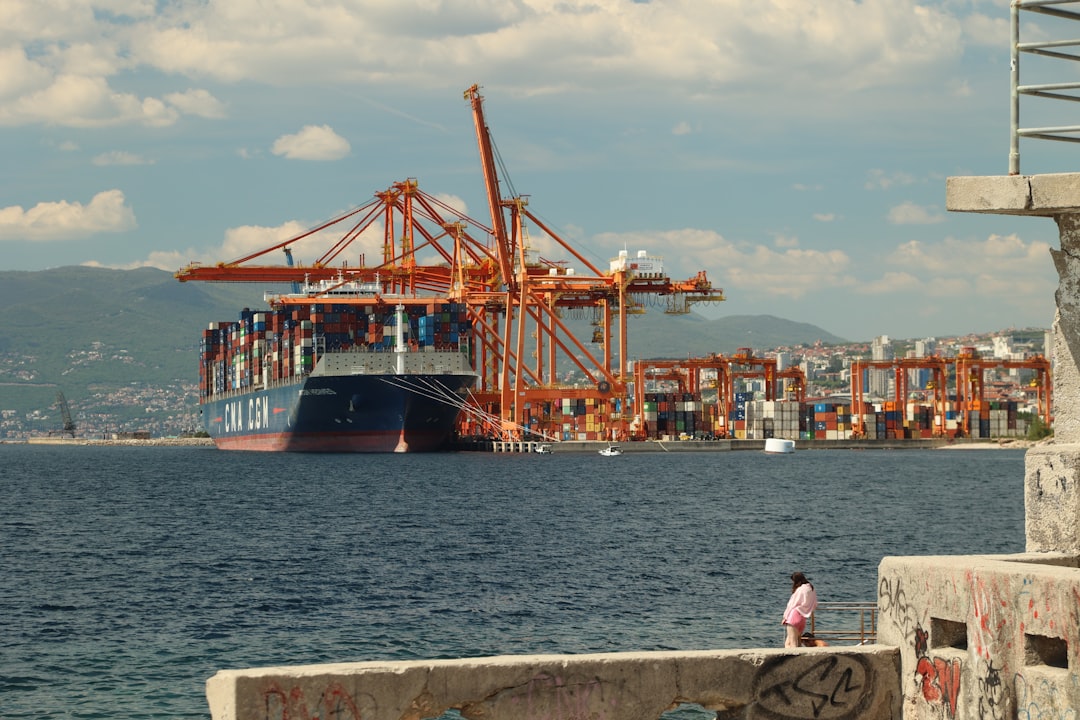
The trade corridor between Japan and Malaysia for HS 870829—encompassing non-safety-related body parts and accessories for motor vehicles—represents a critical nexus in Southeast Asian industrial supply chains. As Malaysia pivots toward advanced manufacturing and hybrid vehicle integration, the demand for high-precision Japanese components remains a cornerstone of the bilateral economic partnership. This report evaluates the current trade dynamics, operational lead times, and the evolving role of industrial-grade textile integration within automotive assembly.
Market Overview & Trade Dynamics
Bilateral Trade Context
Japan remains a primary supplier of high-value automotive components to Malaysia. While the broader automotive parts category (HS 8708) sees significant volume, the 870829 sub-segment is characterized by specialized body components that require rigorous quality standards. The relationship is bolstered by long-standing technical tie-ups between Japanese OEMs and Malaysian manufacturers.
Key Analytical Metrics
Performance Indicators (HS 870829 Focus)
| Metric | Estimated Value / Status |
|---|---|
| Annual Trade Volume (Japan to Malaysia) | ~MYR 2.83 Billion (Total Auto Parts Segment) |
| Year-on-Year Growth | -9.28% (Recent Quarterly Adjustment) |
| Supplier Market Share (Japan) | Top 3 Origin for Malaysian Imports |
| Average Customs Clearance Window | 3–7 Business Days (Standardized) |
Operational Logistics
Customs & Compliance
The clearance window for automotive components remains efficient due to established bilateral trade agreements. Importers are advised to leverage the RCEP and AJCEP frameworks to optimize tariff liabilities. Documentation accuracy regarding the "Other" classification under 870829 is paramount to avoid secondary inspections.
Industrial Synergy
Textile-Automotive Integration
While HS 870829 focuses on hard body parts, the intersection with industrial textiles—such as interior linings, acoustic dampening materials, and seat-related components—is growing. Malaysia’s expanding textile manufacturing sector is increasingly looking to integrate these high-performance materials into the automotive supply chain.
Sourcing Advisory
Strategic Outlook
Future Shifts
The trade lane is shifting toward high-tech collaboration, specifically in AI and green energy. As Malaysia and Japan deepen their Comprehensive Strategic Partnership, expect a transition from traditional component trade to joint R&D in smart-manufacturing and sustainable automotive materials. Supply chain resilience will be the primary metric for success through 2027.
References
- Orthopedic & Medical Textile Trade (HS 9021.24)
- Japan-US Textile Trade Flows
- Lithium-Ion Battery Trade (HS 850760)
- HS 8713.90 Mobility Solutions (USA to Australia)
- HVAC Systems (HS 8415.10) – China to Iraq Trade Corridor
- Titanium Dioxide (HS 320611) Trade Flows
- HS 3502.20 (Milk Albumin) Trade Flows
- Photovoltaic Semiconductor Components (HS 854143)
- Cleaning Textiles (HS 6307.10) – China to Uzbekistan Trade Corridor
- Cotton Knitwear (HS 611020) Trade Flows